7864 US-117 Suite A, Rocky Point, NC 28457, United States


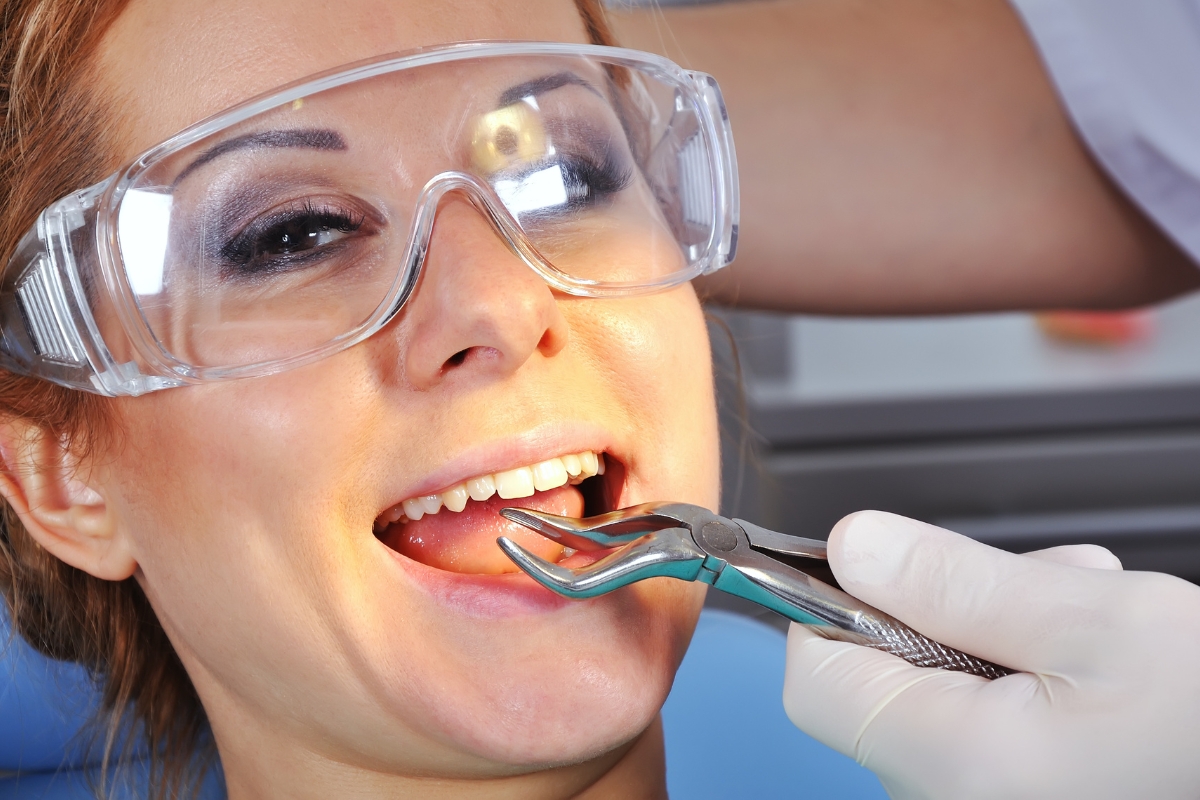
A tooth infection is usually more than just painful; left untreated, it may lead to serious problems. While many people seek ways to save such an infected tooth, at times, the healthiest option is to remove it altogether. To some, this might seem like a radical option, but in certain instances, it’s essential for maintaining your overall oral health and avoiding further complications.
Depending on the severity, infected teeth can result in problems ranging from simple issues with other teeth to the deterioration of the jawbone. As healthy teeth are necessary for everyday activities such as eating or speaking, removing a tooth may seem like an intimidating option. However, it can be the best way to preserve your long-term oral health. In this blog, you will learn how, sometimes, tooth extraction is the healthiest option and how it may save your jawbone in the process.
Preserving Jawbone Health Through Tooth Extraction
If a tooth becomes infected, the bacteria begin to invade the tissues around it. The immediate results include pain, inflammation, and complications, which may manifest as abscesses or bone loss in the jaw. This is a case where tooth extraction may be indicated to prevent further deterioration of the infection and preserve the surrounding teeth and jawbone. Though a root canal treatment may be an option when the extent of destruction is too severe, extraction is the healthier alternative, eradicating infection and preventing further harm.
One of the primary reasons for tooth extraction in Rocky Point, NC, is to maintain jawbone health. Infection can cause the jawbone to degenerate in the absence of stimuli from the roots of the teeth. If the infected tooth is extracted early, you can avoid bone loss and ensure the surrounding bone remains healthy. Sometimes, after tooth extraction, the implantation of a dental implant restores not only your tooth but also stimulates the jawbone. This helps maintain both the structure of your smile and the health of your jaw.
Long-Term Health Benefits Of Tooth Extraction
Extraction of teeth can be a daunting procedure, yet at times, it is the best decision for your overall oral health. Removing an infected or damaged tooth offers several key benefits that can improve your long-term dental health.
- Prevents the Spread of Infection: By eliminating the source of infection, dangerous bacteria cannot spread to other teeth and tissues within the mouth.
- Preserves Jawbone Health: Extracting a damaged or infected tooth helps prevent bone loss, supporting the long-term strength of your jawbone.
- Creates Room for Restoration: Tooth extraction may make way for dental implants or bridges in the future, restoring both aesthetics and function to your smile.
Although the decision to extract a tooth is a major one, it may be necessary to help attain a healthy, functionally sound mouth in the long term.
The Process of Tooth Extraction: What to Expect?
Extraction of teeth is usually a simple procedure performed to relieve pain or prevent other oral health issues. Here is a quick breakdown of what you can expect during and after the process:
- Local Anesthesia: The area around the affected tooth will be numbed, so you will not feel any discomfort during the procedure.
- Extraction of the Tooth: Using great care, the dentist loosens and removes the tooth from the socket, taking measures to minimize discomfort.
- Post-Extraction Care: After extraction, slight pain and swelling are normal and can be managed by the patient using over-the-counter analgesics.
- Aftercare Instructions: You will be given specific guidelines for cleaning the extraction site, managing any pain, and avoiding complications. Following these instructions is crucial to a smooth recovery and prevention of infection.
Take the First Step to Better Oral Health
Deciding on infected tooth extraction might seem complicated, but in many instances, it is actually the healthiest option for your overall oral health. You will be able to eliminate complications such as jawbone loss, abscesses, and problems with surrounding teeth by removing the infected tooth. Early tooth extraction will preserve more of your long-term health and keep your smile intact for years to come.
Whether you have an infected tooth or simply need instruction on the options available with tooth extraction, the team at Rocky Point Family Dentistry is here to help. Don’t wait for the infection to spread; contact us today to schedule a consultation and learn more about how tooth extraction can help your health.
FAQs
- What are the signs that I need a tooth extraction?
Signs that you may need a tooth extraction include severe pain, infection that doesn’t improve, and visible damage to the tooth that cannot be repaired. - How long does it take to heal after a tooth extraction?
The healing time after a tooth extraction typically takes 1-2 weeks, though full recovery can take up to a few months, depending on the complexity of the procedure. - Is tooth extraction painful?
No, tooth extraction is performed under local anesthesia to ensure that you feel no pain during the procedure. Some soreness may occur afterward, which can be managed with pain relief. - Can I eat after a tooth extraction?
After a tooth extraction, it’s essential to stick to soft foods and avoid chewing on the side of the extraction site until it heals properly. - What should I avoid after a tooth extraction?
Avoid smoking, drinking through a straw, and eating hard or chewy foods immediately after a tooth extraction, as these can disrupt the healing process. - Can I get a dental implant after tooth extraction?
Yes, after a tooth extraction and proper healing, a dental implant can be placed to restore the tooth and help preserve jawbone health.