7864 US-117 Suite A, Rocky Point, NC 28457, United States


Are you struggling with missing teeth? Dental implants may be the solution you’ve been looking for. Missing teeth can impact both your smile and your confidence, but the good news is that advancements in dental technology have made it possible to restore your smile to its full potential.
Implants offer a reliable, long-lasting solution for people who want to regain their natural look and function. At Rocky Point Family Dentistry, we specialize in providing high-quality implants to help you not only look your best but also feel confident in your oral health.
What Are Dental Implants?
Dental implants are a modern and effective solution for replacing missing teeth. Unlike traditional dentures or bridges, which rest on the gums, implants are surgically placed into the jawbone, making them a permanent and stable solution.
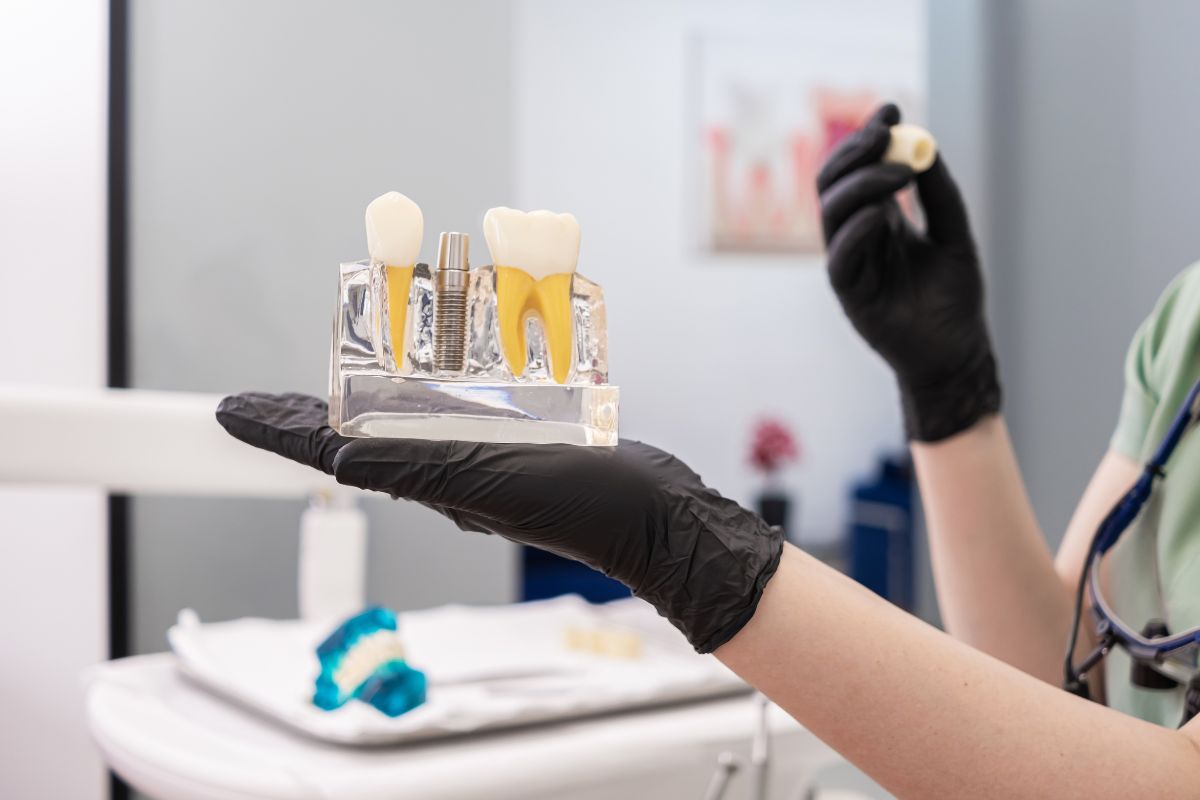
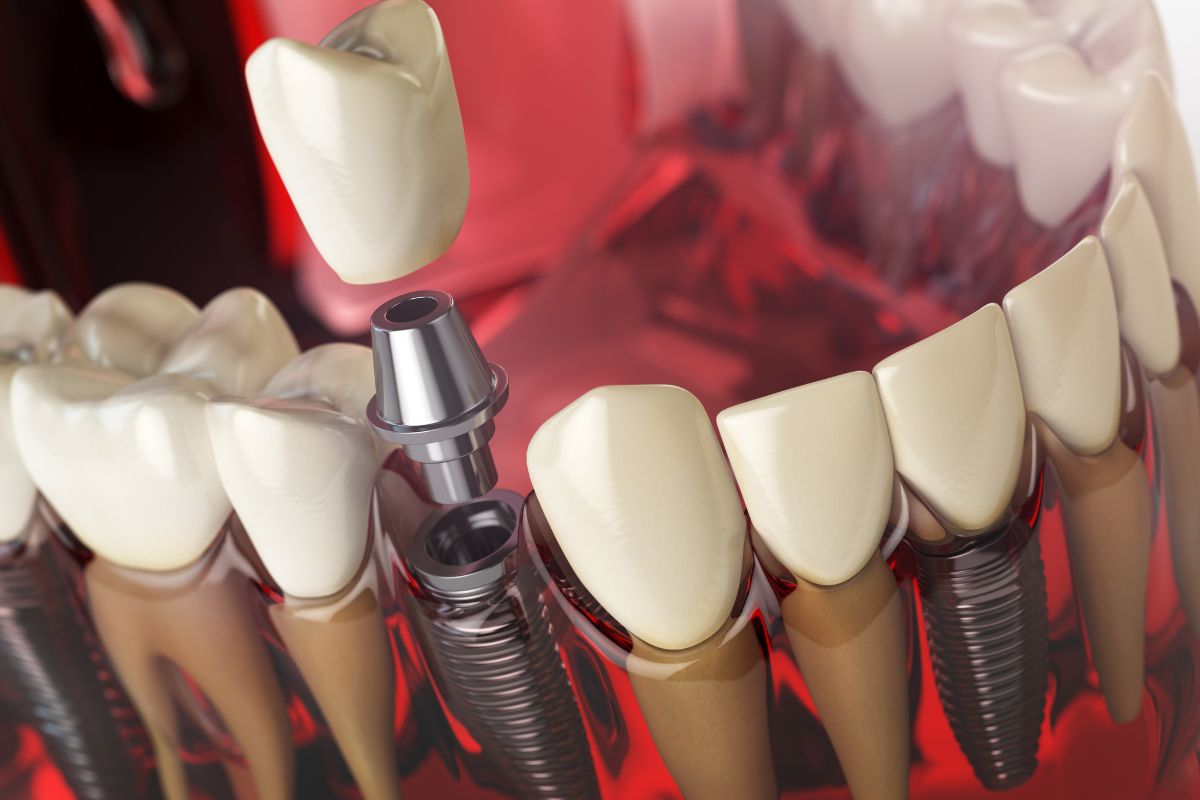
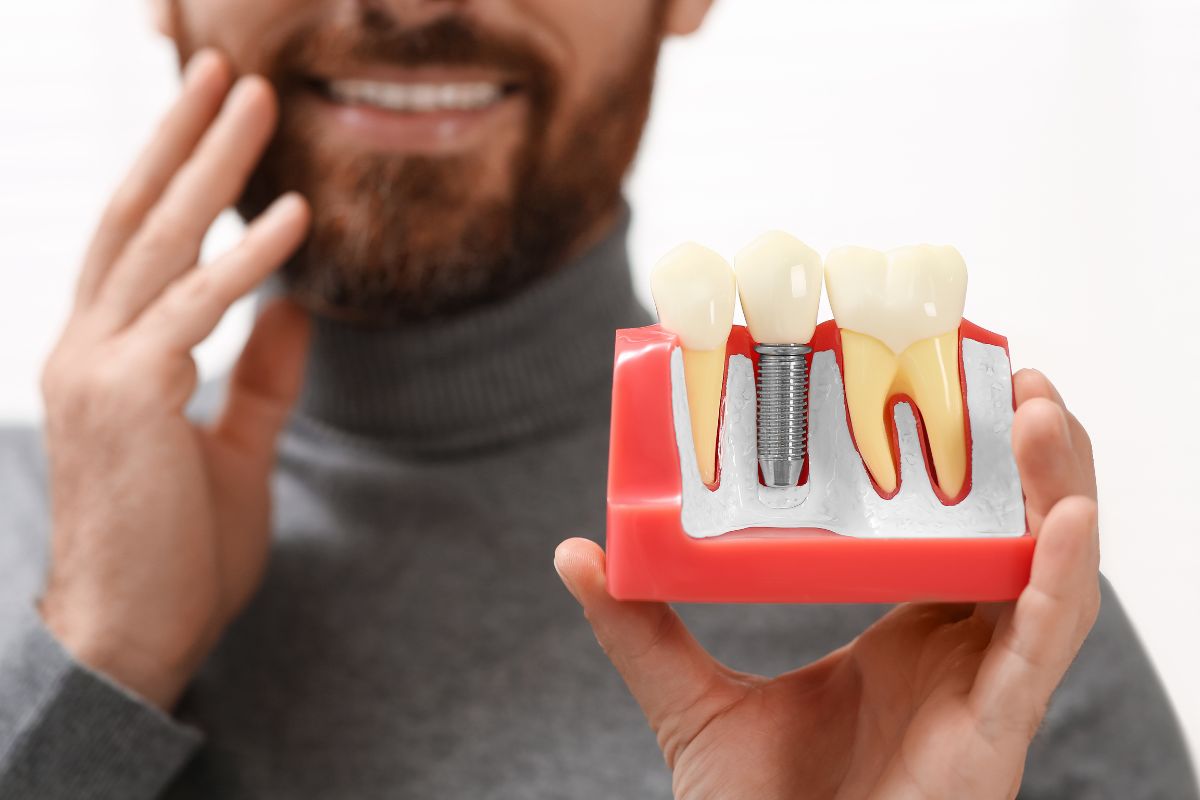
Components of Implants:
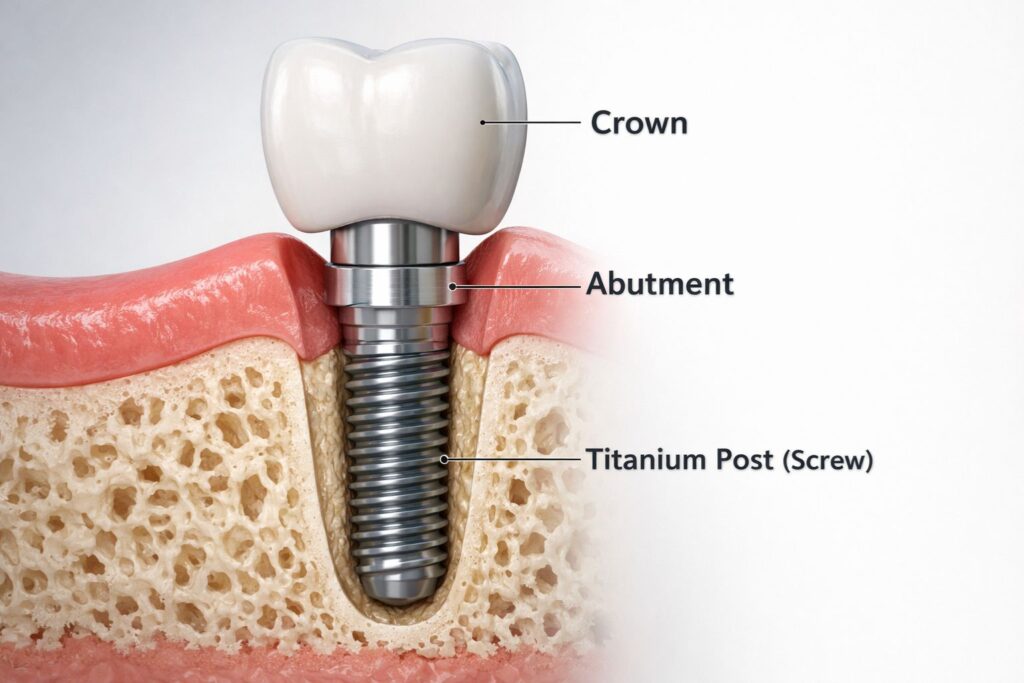
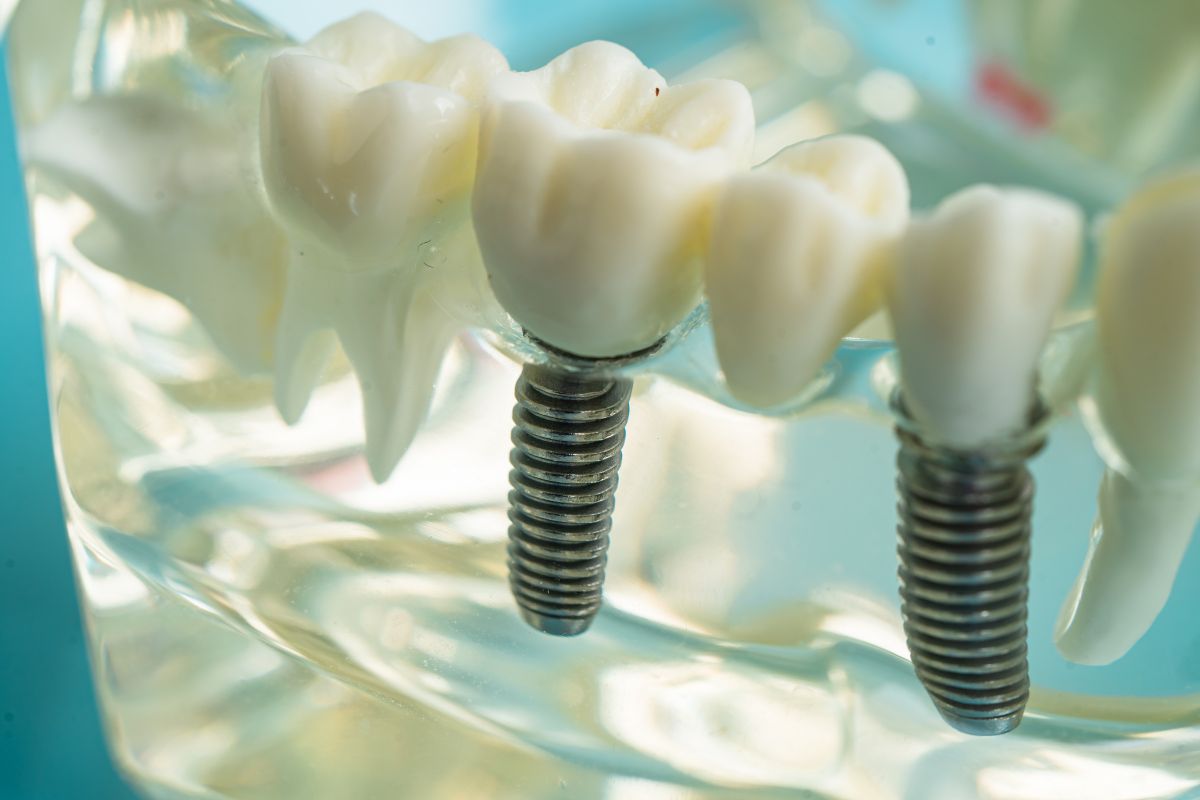
- The Post (Titanium Screw): The titanium screw is inserted into the jawbone, where it serves as the root of the new tooth. This material is biocompatible, meaning it naturally integrates with the bone, ensuring long-term stability.
- The Abutment: Once the post has fused with the bone (a process called osseointegration), the abutment is attached. This small connector piece links the post to the final crown or restoration.
- The Crown: The crown is the visible part of the implant, custom-designed to match the size, shape, and color of your natural teeth. This ensures that the implant blends seamlessly into your smile.
Why Choose Dental Implants?
Dental implants in Rocky Point offer numerous advantages:
- Durability: With proper care, implants can last a lifetime, making them a worthwhile investment.
- Natural Look: They are designed to mimic your natural teeth, providing a seamless, aesthetically pleasing result.
- Improved Functionality: Unlike removable dentures, implants provide the stability needed for easy chewing and speaking.
At Rocky Point Family Dentistry, we use the latest technology and expertise to provide tooth implants that not only restore your smile but also improve your overall quality of life.
How Do Dental Implants Work?
Implants are a highly effective solution for replacing missing teeth, offering a permanent, natural-looking restoration. The process of getting tooth implants involves several steps, from the initial consultation to the final restoration. Below is a detailed explanation of how dental implants work.
Placement Process
Step 1: Initial Consultation
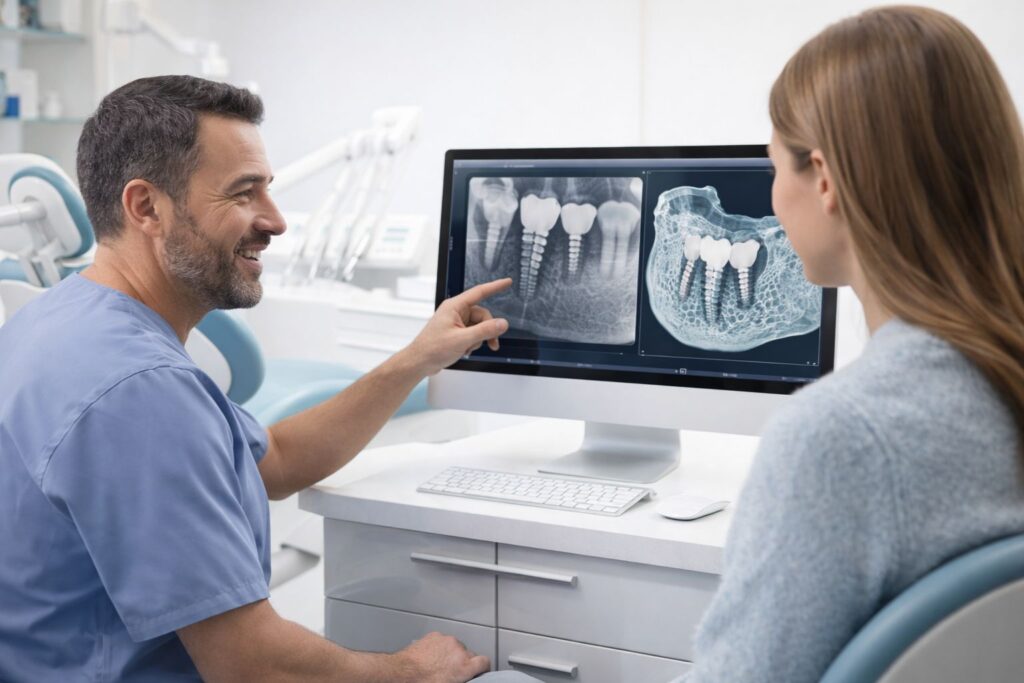
The first step in the dental implant process is a comprehensive consultation with your dentist at Rocky Point Family Dentistry. During this visit, your dentist will perform a thorough examination of your oral health, including X-rays or 3D imaging to assess the condition of your jawbone and surrounding teeth.
This helps determine if dental implants are the best solution for you. If your jawbone is too thin or weak to support an implant, your dentist may recommend bone grafting before moving forward with the implant procedure.
Step 2: Implant Placement
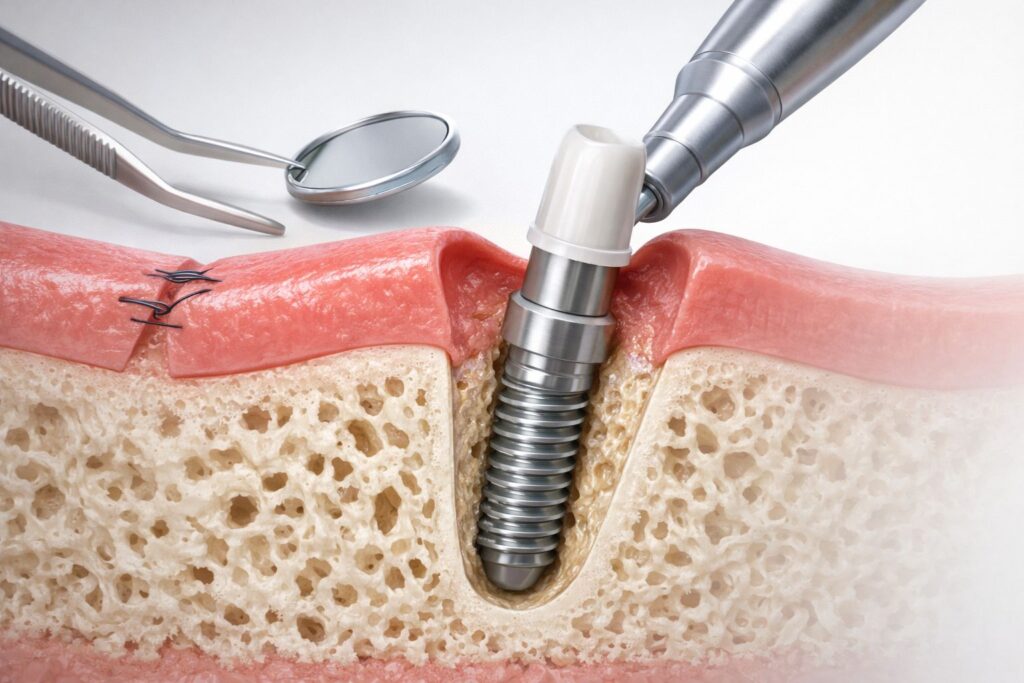
Once you are deemed a suitable candidate for implants, the next step is the surgical placement of the implant. This procedure is typically done under local anesthesia, ensuring that you are comfortable and pain-free throughout the process.
Your dentist will make a small incision in the gum to expose the jawbone. A hole is then drilled into the bone, and the titanium implant post, which acts as the new tooth root, is carefully placed into the jaw. The titanium post is highly biocompatible, meaning it naturally integrates with the bone tissue, providing a stable foundation for the future crown or restoration.
Once the implant is in place, the gum tissue is sutured, and the healing process begins.
Step 3: Healing and Osseointegration
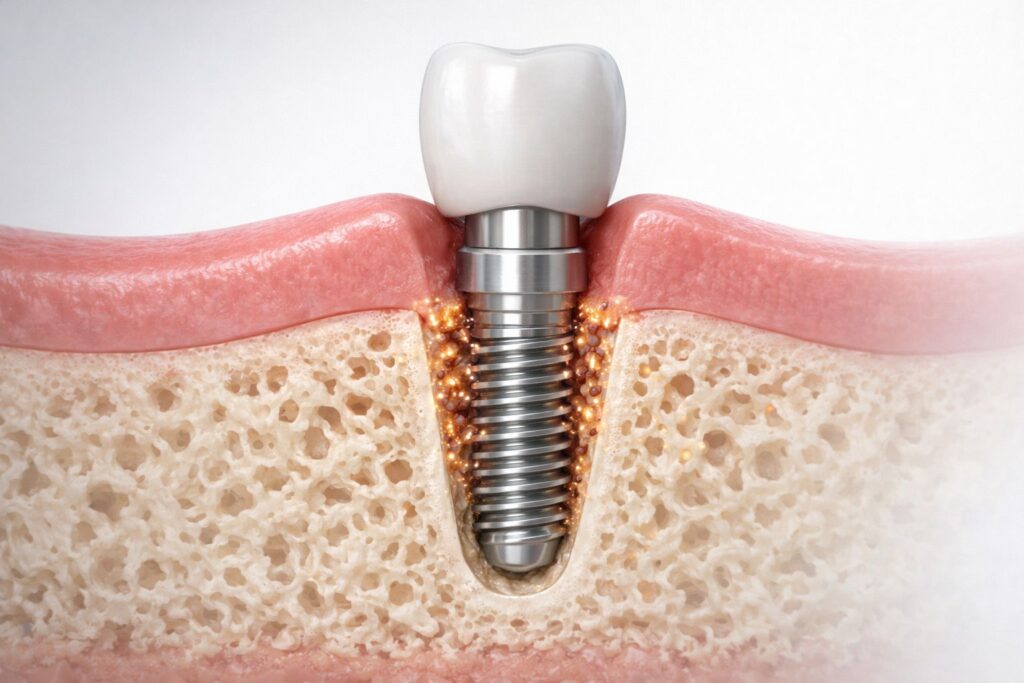
After the implant is placed, it needs time to fuse with the surrounding bone in a process known as osseointegration. This process can take anywhere from 3 to 6 months, depending on your individual healing time and the condition of your jawbone. During this period, the bone cells grow around the titanium post, securing it firmly in place.
Osseointegration is crucial to the long-term success of implants because it ensures that the implant is stable and capable of withstanding the forces of biting and chewing. While healing, it is important to follow your dentist’s aftercare instructions to avoid any complications.
Customization and Restoration
Once the implant has fully integrated with the bone, it’s time to move on to the next phase: the customization and restoration of the missing tooth. During this phase, your dentist will attach an abutment to the implant post. The abutment is a small connector that links the implant to the crown, bridge, or denture.
Your dentist will take impressions of your mouth to ensure that the final restoration fits comfortably and blends seamlessly with your natural teeth. Whether you need a single crown, a bridge, or dentures, each restoration is custom-designed to match the size, shape, and color of your existing teeth.
Fitting the Restoration:
- Crowns: For a single missing tooth, a custom-made crown will be placed on the abutment. The crown is crafted to mimic the natural appearance of your tooth, ensuring a flawless fit and natural look.
- Bridges: If you have multiple missing teeth, a bridge can be attached to the implants. The bridge is designed to fill the gap left by the missing teeth, restoring both function and aesthetics.
- Dentures: For patients who have lost multiple teeth, implant-supported dentures offer a secure and stable solution. Unlike traditional dentures, which can shift or slip, implant-supported dentures are anchored to the implants, providing a more comfortable and reliable fit.
Once the restoration is placed, you can begin enjoying the full benefits of your new smile. Dental implants offer a permanent solution that improves both the function and appearance of your teeth.
Benefits of Dental Implants
Longevity:
One of the primary advantages of tooth implants is their longevity. With proper oral hygiene and regular check-ups, tooth implants can last for a lifetime, making them a long-term solution that provides great value.
Improved Oral Health:
Implants not only restore your smile but also help preserve bone density in the jaw. When a tooth is lost, the underlying bone can begin to deteriorate over time. Implants prevent this by stimulating the bone, much like natural tooth roots do, preserving your facial structure and preventing further tooth loss.
Better Functionality and Comfort:
Dental implants offer superior comfort compared to traditional dentures. They provide a secure fit, allowing you to speak, eat, and smile with confidence. Implants eliminate the discomfort and instability often associated with removable dentures and bridges.
Additionally, they don’t require the alteration of adjacent healthy teeth, as is necessary with dental bridges. Implants are a more conservative solution that focuses on the individual tooth.
Related Article: Root Canal vs. Dental Implants
Who Is a Candidate for Dental Implants?
Dental implants in Rocky Point are suitable for most individuals who are in good general health and have sufficient bone density in the jaw to support the implants. At Rocky Point Family Dentistry, we perform thorough evaluations to determine if you are a good candidate for this procedure.
Eligibility Criteria:
- Healthy Gums: Gum health is crucial for the success of tooth implants. If gum disease is present, it will need to be treated before proceeding with the implant process.
- Sufficient Bone Density: The implant post needs to integrate with the jawbone. If the bone density is too low, a bone graft may be recommended to rebuild the bone before implants can be placed.
- Overall Health: Good overall health ensures that your body can heal properly after the implant procedure. Certain medical conditions, such as uncontrolled diabetes, may affect the success of the treatment.
Conditions That Might Affect Candidacy:
- Smoking: Smokers have a higher risk of implant failure, as smoking can interfere with the healing process.
- Uncontrolled Diabetes: Poorly managed diabetes can hinder the body’s ability to heal and affect the success of the implants.
Your dentist at Rocky Point Family Dentistry will assess your health and customize a plan that fits your unique needs, ensuring the best possible outcome for your dental implant procedure.
Aftercare and Maintenance of Dental Implants
Importance of Oral Hygiene:
Taking care of your implants is key to their longevity. Maintaining proper oral hygiene by brushing twice daily with fluoride toothpaste and flossing regularly will keep the surrounding gums healthy and prevent infections around the implant.
Regular Check-ups:
Routine visits to Rocky Point Family Dentistry are essential to ensure that your implants are functioning well. During these visits, your dentist will check the stability of your implants and ensure that no complications arise.
Long-term Tips for Implant Maintenance:
- Avoid chewing on hard objects, such as ice or hard candies, to prevent damage to your implants.
- Use an antimicrobial mouthwash to help keep the area clean and reduce the risk of infection.
- If you grind your teeth at night, consider using a night guard to protect your implants and surrounding teeth.
With the right care, your tooth implants can last a lifetime, allowing you to smile confidently for years to come.
Dental implants offer a permanent, reliable solution for missing teeth, allowing you to restore both the function and beauty of your smile. If you’re considering tooth implants, schedule a consultation with Rocky Point Family Dentistry to learn more about how this life-changing procedure can benefit you. Our team of professionals is here to guide you through every step of the process, ensuring a smooth and successful outcome.
Book your consultation today and take the first step toward a healthier, more confident smile!
What People Want to Know?
What is the healing time for dental implants?
Healing typically takes 3 to 6 months, as the implant fuses with the jawbone in a process called osseointegration.
Will I need to replace my implant?
With proper care, dental implants typically do not need to be replaced. However, the restoration (crown, bridge, or denture) may need replacement after several years.
How long does the dental implant procedure take?
The procedure itself typically takes 1-2 hours for a single implant. However, the entire process, including healing time, can take several months to complete.
Can dental implants be used for multiple missing teeth?
Yes, dental implants can replace multiple missing teeth using bridges or implant-supported dentures, providing a stable and permanent solution.
Will my dental implant look natural?
Yes, dental implants are designed to blend seamlessly with your natural teeth. The crown is custom-made to match the size, shape, and color of your existing teeth for a natural appearance.