7864 US-117 Suite A, Rocky Point, NC 28457, United States


Bone health is one of the most important factors people tend to overlook when deciding on dental implants. Poor or weak bones could mean that your dental implant surgery will not be effective. This article explains why bone health is crucial to successful dental implants and how to ensure your jawbone is in optimal condition for the procedure.
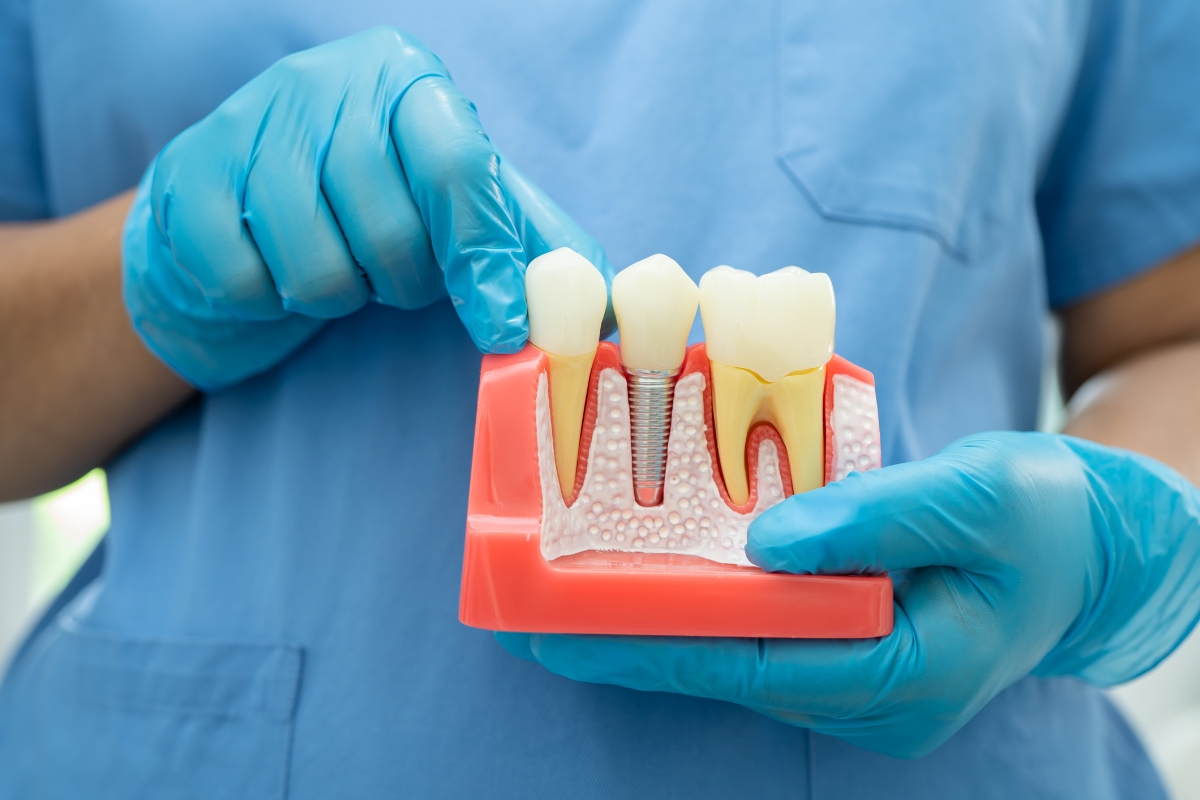
Implants are among the most popular options for tooth replacement due to their permanent, natural appearance. A titanium post is placed into the jawbone, serving as the root for a new artificial tooth. For a dental implant to be stable and functional, however, your jawbone must be strong enough to support it. If the density is too low, it would be hard for an implant dentist or oral surgeon to place the implant successfully.
How Bone Health Affects Dental Implants
For dental implants to be effective, they must fuse into the jawbone through a process called osseointegration. Such fusion gives the implant the strength and stability it requires to function as a natural tooth root. In the event of a weak or low-density jawbone, this process may not turn out as expected, hence causing implant failure.
Many factors can reduce jawbone density, including the aging process, gum disease, and bone loss from missing teeth. When a tooth is lost, the bone where it sat tends to shrink and deteriorate over time, reducing bone mass. In the long run, this could affect the placement of an implant because it would not be correctly anchored. This is why oral health professionals insist on strong bone health before you get dental implants in Rocky Point, NC.
What Happens If Bone Loss Occurs?
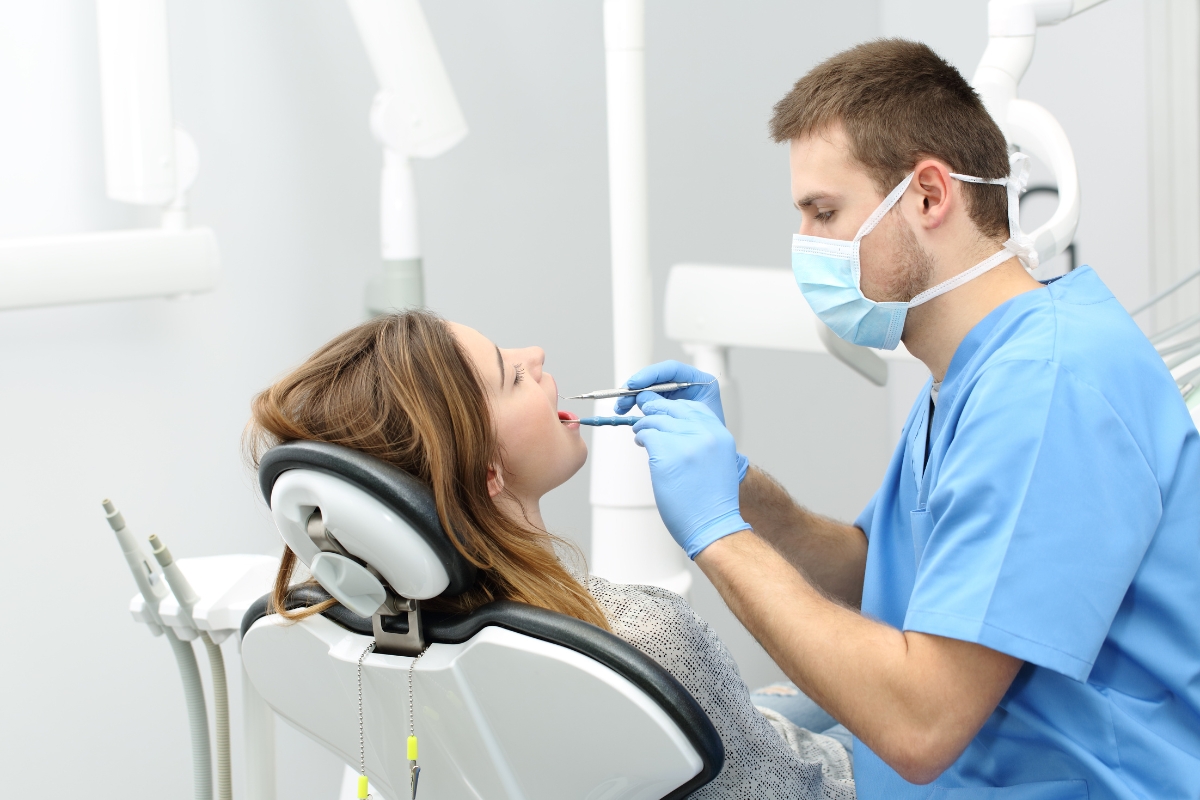
An implant dentist or oral surgeon is closely involved in preparing the bone for the dental implant procedure. They would assess the condition of your jawbone before surgery using X-rays or 3D scans. If they notice bone loss or think that the bone density is inadequate, they may recommend additional procedures like bone grafting to help improve the quality of your bones. This will make a solid base for the dental implant, ensuring its long-term permanency.
Maintaining Healthy Bones for Dental Implants
Your chances of success with dental implants could be improved if you take steps to maintain good bone health. Here are some practical ways to keep your jawbone strong.
- Good Oral Hygiene: Keeping your mouth clean helps prevent gum disease, a leading cause of jawbone loss. Brushing, flossing, and regular dental check-ups maintain healthy gums and bones.
- Routine Dental Visits: Regular visits to your dentist help detect early signs of bone loss or other dental health problems. Your dentist may recommend specific preventive treatments before the problem becomes serious.
- Balanced Diet: Foods rich in calcium and vitamin D are highly recommended to maintain bone health. These nutrients support bone regeneration and density.
- Avoid Smoking: Smoking delays the healing process of an implant and may also reduce bone density, which will challenge the proper integration of your implant with your bone.
Ensuring Implant Success Requires Good Jawbone Health
Bone health is one of the most critical factors in dental implant success. If you’re considering dental implants near you, you need to know that the health of your jawbone will directly impact the success of the treatment. Ideally, entering the procedure with a healthy jawbone provides the best opportunity for a long-lasting, stable dental implant. For dental implants in Rocky Point, NC, consult with an implant dentist or oral surgeon who can assess your bone health and help you prepare for the procedure.
From start to finish, Rocky Point Family Dentistry is here to walk you through the process of dental implants. Our team will ensure that your jawbone is ready for the procedure and will provide the highest level of care throughout your treatment. Call us today to schedule your consultation and see how dental implants can revitalize your smile and your quality of life!
FAQs
- How does bone health affect dental implants?
Bone health is essential because dental implants rely on the fusion with your jawbone to stay secure. Without sufficient bone density, the implant may fail to integrate properly. - Can I still get dental implants if I have bone loss?
Yes, you can still get dental implants if you have bone loss. Procedures such as bone grafting can help restore bone structure, making the implant procedure possible. - How can I maintain healthy bones for dental implants?
Good oral hygiene, a balanced diet rich in calcium and vitamin D, regular dental visits, and avoiding smoking are key ways to maintain healthy bone health for implants. - Is bone grafting necessary for all dental implants?
Not all patients require bone grafting. Your implant dentist will evaluate your bone health and may recommend grafting only if necessary to support the implant. - What happens if I don’t have enough bone for dental implants?
If you don’t have enough bone, your implant dentist may recommend treatments such as bone grafting or sinus lifts to provide a stable foundation for your implants.