7864 US-117 Suite A, Rocky Point, NC 28457, United States


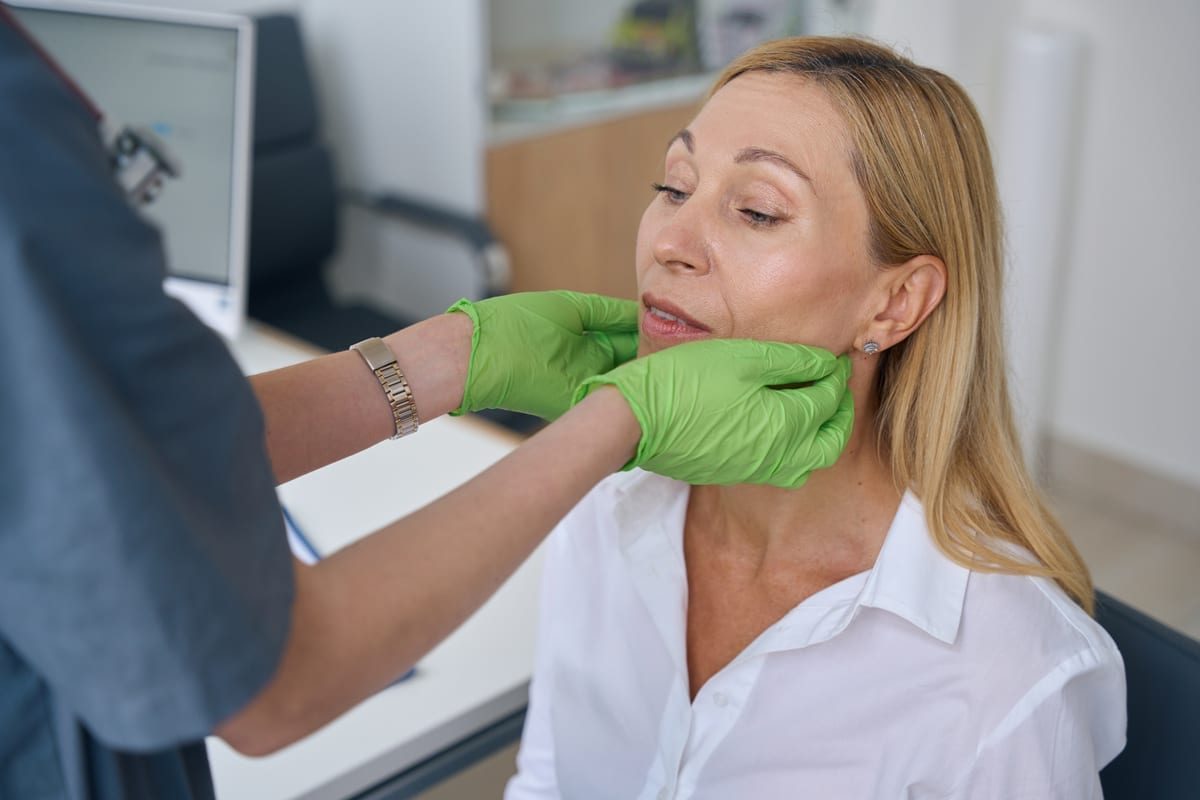
Jaw pain can quietly take over your daily life. Eating, talking, and even sleeping become uncomfortable. If you live in Rocky Point, NC, you are not alone in dealing with this. Many patients want to stop jaw pain without surgery, and the good news is that several self-care techniques actually work. Dr. Austin Davis at Rocky Point Family Dentistry is here to help you understand your options before considering more invasive treatments.
TMJ disorders — problems with the temporomandibular joint — are a leading cause of jaw pain. This joint connects your jawbone to your skull. When it becomes inflamed or misaligned, the pain can radiate to your neck, ears, and head. Understanding what triggers your symptoms is the first step toward relief.
What Makes Jaw Pain Worse — Habits to Stop Now
Before exploring solutions, it helps to know what fuels the problem. Many everyday habits quietly aggravate TMJ pain. Stopping these behaviors often brings noticeable relief on its own.
- Clenching or grinding your teeth — especially during sleep or times of stress
- Chewing gum constantly — this overworks the jaw muscles
- Biting nails or chewing on pens — creates uneven jaw pressure
- Eating hard or chewy foods — like bagels, tough meats, or raw carrots
- Resting your chin on your hand — pushes the jaw out of alignment
- Poor posture — forward head posture increases jaw tension
Identifying your personal triggers takes patience. Keep a simple journal for one week. Note when pain spikes and what you were doing beforehand. This habit makes it easier for Dr. Davis to guide your care during your next visit.
5 Self-Care Techniques That Actually Work in Rocky Point
These techniques are evidence-based and easy to practice at home. Consistency is key — most people see improvement within two to four weeks of daily practice.
1. Apply Heat and Cold Therapy
Heat relaxes tight jaw muscles and improves blood flow. Apply a warm compress to the side of your face for 15 to 20 minutes. Do this two to three times daily during flare-ups.
Cold therapy reduces swelling and numbs sharp pain. Use an ice pack wrapped in a thin cloth. Never apply ice directly to skin — limit each session to 10 minutes.
Alternating heat and cold can be especially effective. Start with heat to loosen the joint, then switch to cold to reduce inflammation. Give yourself a short break between each application.
2. Practice Gentle Jaw Exercises
Targeted jaw exercises improve flexibility and reduce muscle tension. They should never cause additional pain — if they do, stop immediately. Try these movements slowly and gently.
- Relaxed jaw exercise: Rest your tongue on the roof of your mouth. Allow your teeth to come apart and relax your jaw muscles.
- Chin tucks: Pull your chin straight back to create a gentle stretch. Hold for three seconds and repeat 10 times.
- Resisted mouth opening: Place your thumb under your chin. Slowly open your mouth while applying light upward pressure. Hold for five seconds.
- Goldfish exercise: Place one finger on your jaw joint and one finger on your chin. Drop your lower jaw halfway and close. Repeat six times per set.
Perform these exercises twice daily. Morning and evening sessions work well for most people. Over time, these movements retrain your jaw muscles to stay relaxed and balanced.
3. Make Smart Dietary Changes
What you eat directly affects jaw strain. A soft food diet gives inflamed joints time to heal. This does not mean bland meals — it simply means choosing foods that require minimal chewing effort.
Good options include yogurt, scrambled eggs, mashed potatoes, soup, smoothies, and soft-cooked vegetables. Avoid crunchy snacks, chewy bread, and large bites that force the jaw wide open. Cut food into small pieces whenever possible.
Staying hydrated also matters. Dehydration can increase muscle cramping and tension throughout the body, including the jaw. Aim for at least eight glasses of water daily.
4. Manage Stress to Protect Your Jaw
Stress and jaw pain have a very direct connection. When you feel anxious or overwhelmed, you are far more likely to clench your teeth. This habit is often unconscious and happens both day and night.
Simple stress-reduction practices make a real difference. Try diaphragmatic breathing — slow, deep breaths from the belly rather than the chest. Even five minutes of mindful breathing before bed reduces nighttime clenching.
Regular light exercise like walking also lowers cortisol levels. Lower cortisol means less muscle tension overall. Yoga and stretching routines that focus on the neck and shoulders are particularly beneficial for TMJ patients.
5. Improve Your Sleep Position
Your sleeping position can quietly worsen TMJ symptoms. Sleeping on your stomach forces your head to turn sharply to one side. This twists the jaw and puts sustained pressure on the joint overnight.
Back sleeping is the most TMJ-friendly position. Use a supportive pillow that keeps your neck in a neutral alignment. Side sleeping is also acceptable — place a pillow between your knees to reduce overall body tension.
If nighttime grinding is a concern, mention it to Dr. Davis. A custom night guard may help protect your teeth and reduce joint stress while you sleep.
When to See Dr. Austin Davis at Rocky Point Family Dentistry
Self-care works well for mild to moderate jaw pain. However, some situations need professional evaluation. Do not delay if you experience any of the following.
- Jaw pain that lasts more than a few weeks without improvement
- Difficulty opening or closing your mouth fully
- A clicking or popping sound that is accompanied by pain
- Frequent headaches or earaches with no clear cause
- Visible swelling around the jaw joint
Dr. Davis takes a comprehensive approach to jaw health. He can evaluate your bite, screen for grinding damage, and recommend the right support — from custom oral appliances to referrals when needed. As part of our commitment to Family Dentistry Rocky Point, we treat patients of all ages dealing with jaw and bite concerns.
We also offer a range of treatments to restore confidence in your smile. If grinding or clenching has worn down your teeth, services like veneers and whitening fall under Cosmetic Dentistry Rocky Point and may be worth exploring after your jaw health improves.
Your Path Forward Starts Today
Jaw pain does not have to be a permanent part of your life. With the right self-care habits — heat and cold therapy, gentle exercises, a softer diet, stress management, and better sleep positioning — most people find meaningful relief. The key is staying consistent and knowing when to ask for help.
Rocky Point residents have a trusted resource right in their community. Dr. Austin Davis and the team at Rocky Point Family Dentistry are ready to support your jaw health journey with compassion and expertise. Book Now to schedule your appointment with our team.
Frequently Asked Questions
How long does it take for TMJ self-care techniques to work?
Most people notice improvement within two to four weeks of consistent daily practice. Results vary depending on the severity of the condition and how consistently you apply the techniques. If pain does not improve after four weeks, schedule an evaluation with Dr. Davis.
Can jaw exercises make TMJ pain worse?
Gentle jaw exercises are generally safe and helpful. However, if any movement causes sharp or increased pain, stop immediately. Always perform exercises slowly and never force your jaw beyond a comfortable range. A dental professional can confirm which exercises are appropriate for your specific situation.
Is grinding teeth at night always related to TMJ disorder?
Teeth grinding — also called bruxism — is a common contributor to TMJ pain, but not everyone who grinds has a TMJ disorder. Grinding puts significant pressure on the joint and surrounding muscles over time. A custom night guard can reduce this pressure and protect your teeth from further wear.
What foods should I completely avoid with jaw pain?
Avoid hard, crunchy, or chewy foods that require significant jaw effort. This includes raw carrots, hard pretzels, bagels, tough cuts of meat, and chewing gum. Cutting food into small pieces and choosing softer alternatives gives inflamed joints the rest they need to heal.
When is surgery actually necessary for jaw pain?
Surgery is rarely the first or only option for TMJ disorders. Most cases respond well to conservative treatments like self-care, oral appliances, and physical therapy. Surgery is typically only considered when all non-invasive approaches have been tried without success over a prolonged period. Dr. Davis can help determine the most appropriate path for your specific needs.