7864 US-117 Suite A, Rocky Point, NC 28457, United States



A throbbing toothache that keeps you up at night is hard to ignore. But many people in Rocky Point still wait too long to get it checked. Understanding why your dental abscess isn’t just painful—it’s dangerous in Rocky Point—could genuinely save your life. At Rocky Point Family Dentistry, Dr. Austin Davis wants every patient to recognize this serious condition before it becomes a medical emergency.
What Is a Dental Abscess and Why Does It Happen?
A dental abscess is a pocket of pus caused by a bacterial infection. It can form inside a tooth, in the gums, or in the bone surrounding a tooth. The infection usually starts when bacteria enter through a cavity, a cracked tooth, or gum disease.
Your mouth is home to millions of bacteria every day. Under normal circumstances, your immune system manages them well. But when a tooth or gum is damaged, bacteria can quickly spread into deeper tissue.
There are two main types of dental abscesses:
- Periapical abscess — forms at the tip of a tooth’s root
- Periodontal abscess — forms in the gums beside a tooth root
- Gingival abscess — confined to the gum tissue itself
Each type is painful and each type can become dangerous without prompt treatment. Knowing which type you have helps your dentist act quickly and effectively.
Recognizing the Warning Signs in Rocky Point Patients
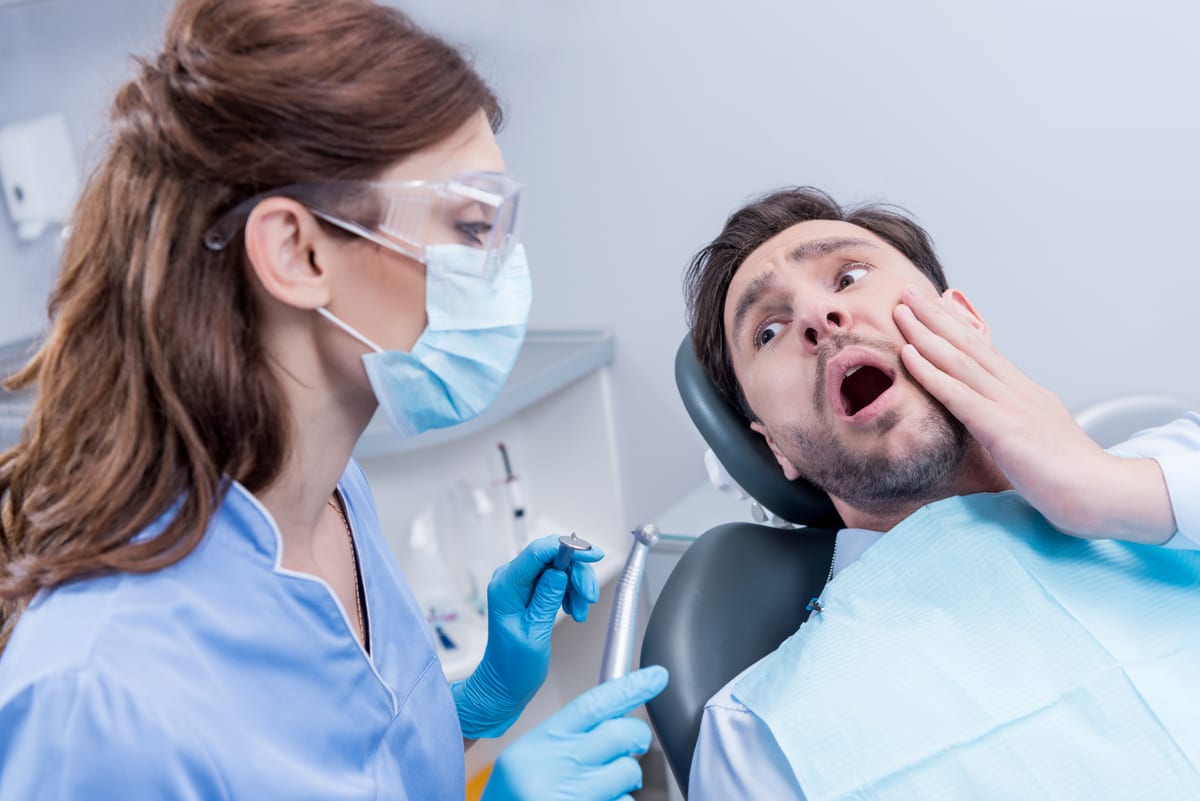
The symptoms of a dental abscess are hard to miss once they appear. You may feel a severe, persistent, throbbing pain in the affected tooth or jaw. The pain often radiates to your ear, neck, or jaw on the same side.
Other common warning signs include:
- Sensitivity to hot or cold temperatures
- Pain when chewing or biting down
- Swelling in your face, cheek, or jaw
- A sudden rush of foul-tasting fluid if the abscess ruptures
- Tender or swollen lymph nodes in your neck
- Fever, which signals the infection is spreading
Some patients notice a small, pimple-like bump on their gum. That bump is called a fistula, and it drains infection from inside the tooth. Do not mistake this drainage for healing — the infection is still active and still dangerous.
If you experience fever, difficulty swallowing, or facial swelling, seek emergency care immediately. These symptoms mean the infection may have already spread beyond your tooth.
Why a Dental Abscess Is a True Medical Emergency
This is the part most people do not realize. A dental abscess is not just a tooth problem. Left untreated, the infection can spread to your jaw, neck, and head. In rare but documented cases, it can reach your brain or your airway.
Ludwig’s Angina is one such complication. It is a serious, life-threatening infection that spreads to the floor of the mouth and neck. It can block your airway and require hospitalization. It starts as an untreated dental abscess.
Sepsis is another severe risk. When oral bacteria enter the bloodstream, your entire immune system can go into overdrive. Sepsis is a medical emergency with a high fatality rate if not treated immediately.
Residents across Rocky Point, NC should understand that dental pain is never something to wait out indefinitely. The longer an abscess goes untreated, the greater the risk of serious, system-wide infection. This is why why your dental abscess isn’t just painful—it’s dangerous in Rocky Point is a message Dr. Davis wants every patient to hear clearly.
What Treatment Looks Like at Rocky Point Family Dentistry
The good news is that dental abscesses are very treatable. Early intervention leads to faster recovery and prevents the infection from spreading further. Dr. Austin Davis and the team at Rocky Point Family Dentistry offer several effective treatment options.
Treatment typically depends on the severity and location of the abscess. Common approaches include:
- Draining the abscess — your dentist makes a small incision to allow pus to drain safely
- Root canal treatment — removes the infected pulp inside the tooth to save it
- Tooth extraction — necessary if the tooth cannot be saved
- Antibiotics — prescribed to control infection that has begun spreading
After treatment, your dentist may discuss restorative options to replace or protect the affected tooth. As part of our commitment to Family Dentistry Rocky Point, we address the full picture of your oral health — not just the immediate emergency.
For patients interested in restoring their smile after treatment, we also offer a full range of Cosmetic Dentistry Rocky Point services to help you feel confident again.
How to Prevent a Dental Abscess Before It Starts
Prevention is always the best strategy. Most dental abscesses are preventable with consistent oral hygiene and regular dental visits. A few simple habits go a long way in protecting your teeth and gums.
Here is what Dr. Davis recommends for his Rocky Point patients:
- Brush your teeth twice daily with fluoride toothpaste
- Floss every day to remove bacteria from between teeth
- Rinse with an antibacterial mouthwash regularly
- Drink plenty of water to support saliva production
- Visit your dentist every six months for a professional cleaning and exam
- Address cavities and cracked teeth promptly — never delay treatment
Routine cleanings allow your dentist to spot early signs of infection before an abscess forms. Prevention is far less painful — and far less expensive — than treating a full-blown emergency.
Do Not Wait — Act Now If You Have These Symptoms
If you are experiencing a severe toothache, facial swelling, or fever right now, do not wait until your next scheduled visit. Dental abscesses can escalate from painful to life-threatening within days. Rocky Point Family Dentistry offers emergency dentistry services for exactly these situations.
Dr. Austin Davis and the team are here to provide compassionate, fast, and effective care when you need it most. Your health and safety always come first at our practice. Book Now to schedule your appointment with our team.
Frequently Asked Questions
Can a dental abscess go away on its own?
No. A dental abscess will not resolve without professional treatment. Even if the pain temporarily subsides — or the abscess ruptures and drains — the underlying infection remains active. It can continue to spread to surrounding tissue, bone, and beyond. Always see a dentist as soon as possible.
How do I know if my tooth infection is spreading?
Warning signs of a spreading infection include fever, worsening facial swelling, difficulty swallowing or breathing, and swollen lymph nodes in the neck. If you experience any of these symptoms, seek emergency dental or medical care immediately. These are signs the infection has moved beyond the tooth.
Is a dental abscess treated with antibiotics alone?
Antibiotics can help control a spreading infection, but they do not eliminate the source. The abscess itself must be drained, and the underlying cause — such as an infected tooth — must be treated through a root canal or extraction. Antibiotics are a supporting treatment, not a cure on their own.
What happens if I ignore a dental abscess for too long?
Ignoring a dental abscess can lead to serious complications including the spread of infection to the jaw, neck, and head. In severe cases, it can cause Ludwig’s Angina, sepsis, or airway obstruction — all of which are life-threatening. Early treatment is critical to avoid these outcomes.
How quickly should I see a dentist for a possible abscess?
You should contact your dentist as soon as symptoms appear. Tooth pain accompanied by swelling, fever, or bad-tasting drainage requires urgent attention — ideally within 24 hours. Rocky Point Family Dentistry offers emergency appointments to ensure patients receive timely, effective care when it matters most.