7864 US-117 Suite A, Rocky Point, NC 28457, United States


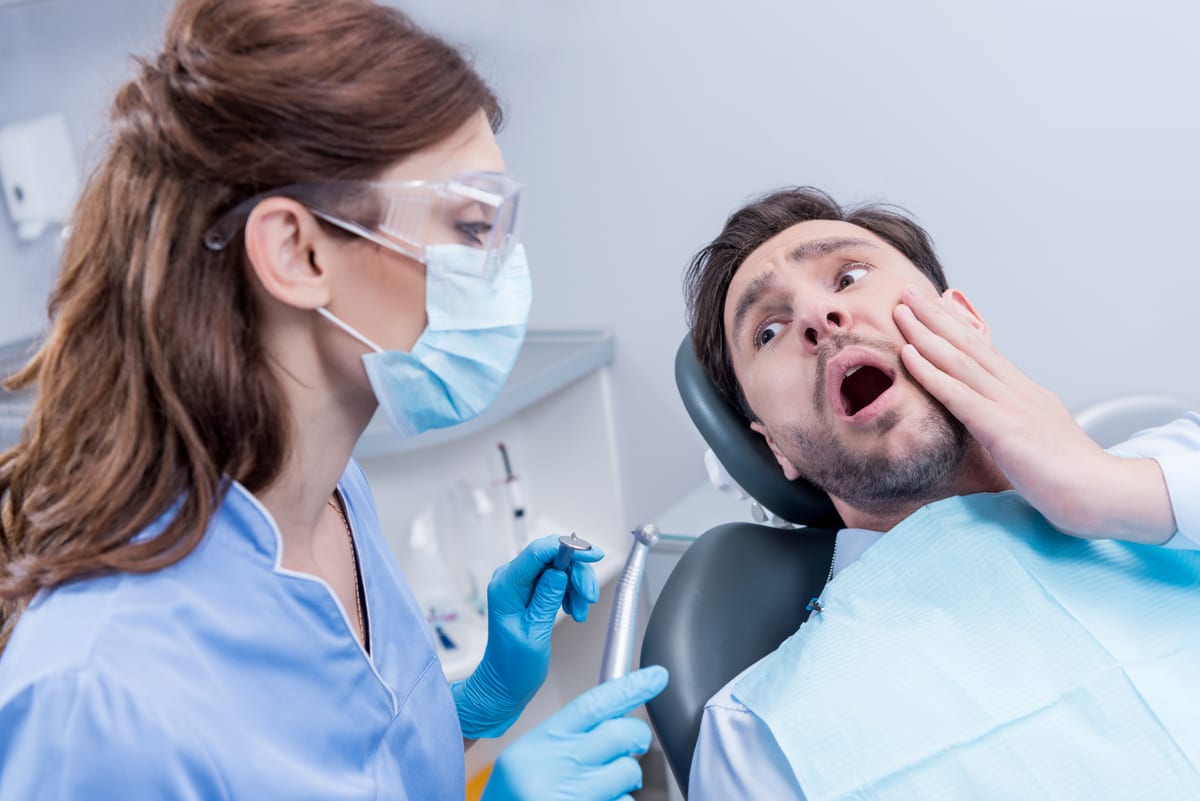
It happens to the best of us. Your tooth hurts at midnight, emergency extraction options explained right here for Rocky Point patients who need real answers fast. Whether it’s a holiday weekend or 2 a.m. on a Tuesday, dental pain doesn’t wait for business hours. Knowing what to do — and what not to do — can make a major difference in your comfort and your outcome. Dr. Austin Davis and the team at Rocky Point Family Dentistry want you prepared before pain strikes.
Why Dental Pain Gets Worse at Night
Tooth pain often feels more intense after dark. That’s not just your imagination — there’s real science behind it. When you lie down, blood pressure in your head increases slightly. That extra pressure can amplify throbbing pain in an already-inflamed tooth.
Daytime distractions also mask discomfort. Work, conversation, and movement keep your brain occupied. At night, with nothing to focus on, pain signals take center stage.
Common causes of nighttime tooth emergencies include:
- Severe decay that has reached the tooth’s nerve
- A cracked or fractured tooth
- An abscess or dental infection
- A failed or failing filling
- Impacted wisdom teeth pushing against neighboring teeth
Identifying the likely cause helps you communicate clearly with your dentist when you call. The more detail you provide, the faster the team can prepare the right treatment for your visit.
What to Do When Your Tooth Hurts at Midnight in Rocky Point
Your tooth hurts at midnight in Rocky Point — so what are your actual options right now? First, stay calm. Panic makes pain feel worse and clouds your judgment. Start with safe, immediate steps to manage discomfort at home.
Try these evidence-based temporary relief methods:
- Over-the-counter pain relievers: Ibuprofen or acetaminophen can reduce inflammation and dull pain. Follow the package directions carefully.
- Clove oil: A small amount applied with a cotton ball to the affected area provides natural numbing relief.
- Cold compress: Apply an ice pack to your cheek for 15-minute intervals to reduce swelling.
- Salt water rinse: Mix half a teaspoon of salt in warm water and rinse gently to reduce bacteria and soothe irritated gum tissue.
- Elevation: Keep your head propped up while resting to reduce blood pressure in the area.
These steps won’t fix the problem. They buy you time until you can see a dental professional. Do not apply aspirin directly to the gum — it can cause chemical burns to soft tissue.
Emergency Extraction: Is It Always the Answer?
Not every midnight toothache ends in an extraction. Dr. Austin Davis always evaluates all available options before recommending removal. Saving a natural tooth is almost always preferred when possible.
Sometimes a root canal treatment can eliminate infection and preserve the tooth structure. Other times, a damaged tooth is beyond saving and extraction is the safest, most effective path forward. Your dentist will take X-rays and perform a clinical exam to determine which applies to your situation.
Emergency extractions are typically recommended when:
- The tooth is severely fractured below the gum line
- Infection has spread and cannot be controlled otherwise
- The tooth has advanced decay with no viable structure remaining
- Leaving the tooth risks spreading infection to surrounding teeth or bone
The good news is that extraction is a routine, well-managed procedure. Modern anesthesia means most patients feel little to no pain during the process. Post-procedure discomfort is manageable and typically short-lived.
After an Emergency Extraction: Your Next Steps in Rocky Point
Once the tooth is removed, the healing process begins. Dr. Davis will provide detailed aftercare instructions specific to your situation. Following them closely speeds recovery and reduces complications.
Key aftercare guidelines include biting gently on gauze to control bleeding, avoiding hard or crunchy foods for several days, and not using straws — suction can dislodge the clot that protects the socket. That clot is essential for healing.
Swelling and mild discomfort are normal for two to three days. If pain worsens significantly after day three, contact the office. That can signal a condition called dry socket, which requires prompt attention.
After healing, you may want to explore tooth replacement. Dental implants are a popular long-term solution that look and function like natural teeth. Rocky Point Family Dentistry offers a full range of Cosmetic Dentistry Rocky Point services to restore your smile after an extraction.
Planning Ahead: Why Establishing Dental Care Matters
The best emergency plan is one you set up before an emergency happens. Patients who already have a trusted dental home get faster care during a crisis. The office knows your history, your X-rays are on file, and you’re already in the system.
At Rocky Point Family Dentistry, we serve patients of all ages across the Rocky Point area. From toddlers to grandparents, everyone deserves consistent, caring dental support. Explore our Family Dentistry Rocky Point services to find out how we can become your dental home.
Regular checkups also catch small problems before they become midnight emergencies. A tiny cavity spotted at a routine cleaning doesn’t turn into a 2 a.m. crisis. Prevention is always less painful — and less stressful — than emergency treatment.
Dr. Austin Davis and his team are committed to accessible, compassionate care for every patient in Rocky Point, NC. When dental pain strikes outside of normal hours, knowing you have a trusted provider to call makes everything less frightening. Book Now to schedule your appointment with our team.
Frequently Asked Questions
What counts as a dental emergency requiring extraction?
A dental emergency includes severe, unrelenting tooth pain, a visibly broken or knocked-out tooth, significant swelling in the jaw or face, and signs of infection like fever or pus. Not all emergencies end in extraction, but prompt evaluation by a dentist is always the right move. Call Rocky Point Family Dentistry as early as possible to describe your symptoms and get guidance.
Can I wait until morning if my tooth hurts at night?
In many cases, yes — especially if home remedies like ibuprofen and a cold compress are managing the pain. However, if you experience significant facial swelling, difficulty swallowing or breathing, or a high fever, seek emergency medical care immediately. These can indicate a spreading infection that requires urgent treatment beyond dentistry alone.
How long does an emergency tooth extraction take?
Most simple extractions take between 20 and 40 minutes from start to finish. Surgical extractions — for impacted or broken teeth — take a bit longer, typically 45 to 90 minutes. Dr. Austin Davis will explain the process and timeline before beginning, so you know exactly what to expect.
Will I need to replace the extracted tooth?
In most cases, yes. Leaving a gap can cause neighboring teeth to shift over time, affecting your bite and jaw alignment. Dental implants, bridges, and partial dentures are all viable replacement options. Dr. Davis will discuss the best solution for your specific situation during your follow-up appointment.
How can I prevent future dental emergencies?
Consistent preventive care is the most effective strategy. Schedule routine cleanings and exams every six months, wear a mouthguard if you grind your teeth at night, and address small dental issues before they escalate. Staying proactive with your dental health dramatically reduces the risk of a painful after-hours emergency.