7864 US-117 Suite A, Rocky Point, NC 28457, United States


Many patients in Rocky Point, NC wonder why teeth cleaning causes sensitivity and how we prevent it. If you have ever winced during a cleaning, you are not alone. Sensitivity is one of the most common concerns we hear at Rocky Point Family Dentistry. The good news is that there are clear reasons it happens — and simple steps we take to make your visit more comfortable.
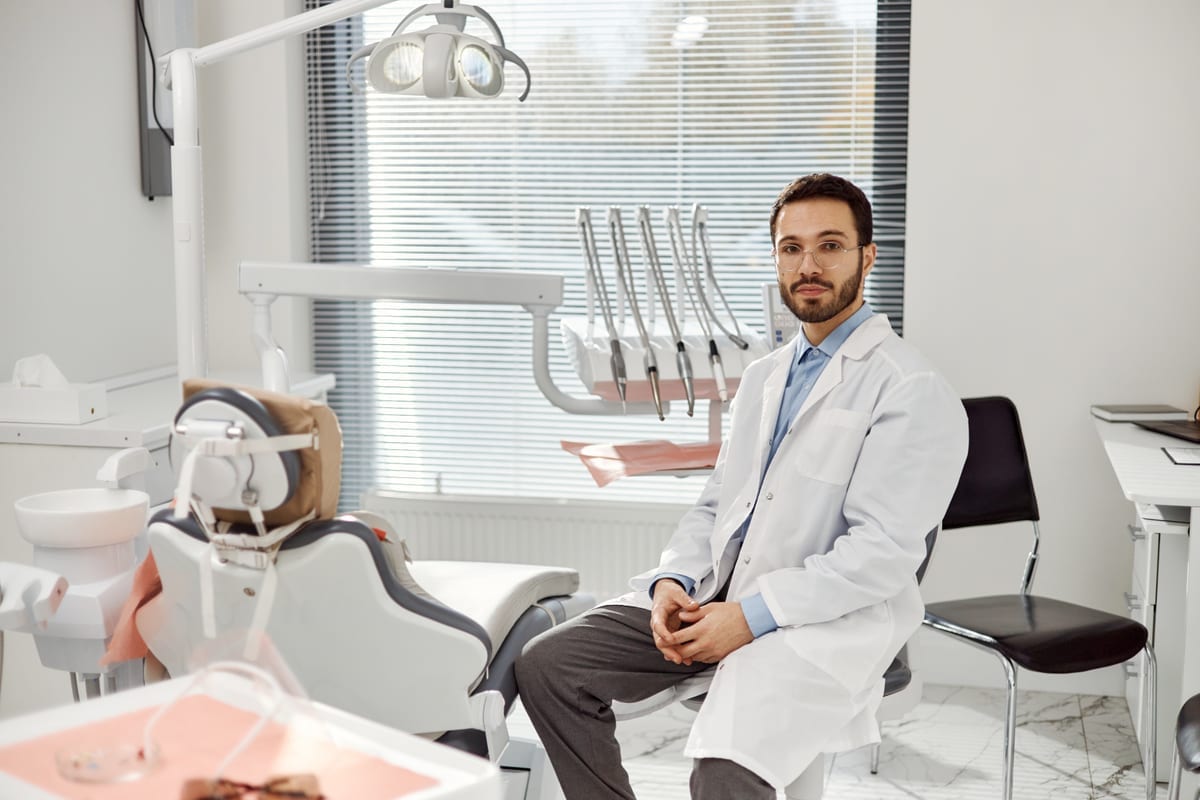
Dr. Austin Davis and our hygiene team are committed to patient-centered care. We want every cleaning to feel manageable, even for patients who experience heightened sensitivity. Understanding what causes that sensation is the first step toward easing your anxiety.
What Actually Causes Sensitivity During a Teeth Cleaning?
Sensitivity during a cleaning usually comes from a few well-understood sources. The most common is exposed dentin — the layer beneath your tooth enamel. When gum tissue recedes or enamel wears down, dentin becomes exposed to touch, temperature, and pressure.
Scaling tools used to remove tartar can stimulate these exposed areas. Even water spray from the hygienist’s tools can trigger a sharp sensation. This does not mean anything is wrong — it simply means your teeth need extra attention.
Gum inflammation also plays a major role. When gums are irritated or infected, even gentle probing causes discomfort. Patients who have gone longer between cleanings often notice more sensitivity. That inflammation typically decreases after consistent, regular care.
- Exposed dentin from enamel wear or gum recession
- Tartar buildup that traps bacteria near the gumline
- Inflamed or bleeding gum tissue
- Sensitive teeth due to previous dental work or grinding
- Infrequent cleanings that allow buildup to accumulate
How Our Hygienists Minimize Sensitivity in Rocky Point
At Rocky Point Family Dentistry, our hygienists are trained to adapt their technique for sensitive patients. We start by asking about your history of sensitivity before touching a single instrument. That conversation matters — it shapes how we approach your entire appointment.
We use gentle scaling methods and take regular breaks when needed. For highly sensitive areas, we can apply a topical numbing gel before scaling. This reduces the sharpness of any sensation without requiring an injection.
We also use ultrasonic scalers carefully. These tools vibrate at a frequency that breaks up tartar efficiently. Our hygienists adjust water temperature and pressure to reduce the shock of cold spray on sensitive teeth.
- Pre-appointment sensitivity assessment with every patient
- Topical numbing gel applied before scaling when appropriate
- Careful use of ultrasonic scalers with adjustable settings
- Warm water options to reduce cold-induced sensitivity
- Frequent pauses so patients can rest and recover
Why Skipping Cleanings Makes Sensitivity Worse
Some patients avoid cleanings because they fear sensitivity. This creates a difficult cycle. The longer you wait, the more tartar and plaque accumulate. More buildup means more aggressive scaling is needed — and more potential discomfort.
Regular cleanings every six months actually reduce sensitivity over time. As gum health improves, inflammation decreases. Less inflammation means less reactive tissue during your appointment.
Think of it this way: consistent care is the best prevention. Patients who keep their scheduled appointments with Dr. Austin Davis often report that each cleaning feels easier than the last. That improvement is real and measurable.
Our team at Rocky Point Family Dentistry serves patients across the area as part of our commitment to Family Dentistry Rocky Point. We make it easy to stay on schedule with flexible appointment options and a welcoming environment.
Desensitizing Treatments We Offer Before and After Cleanings
Sometimes a cleaning alone is not enough to address underlying sensitivity. In those cases, Dr. Austin Davis may recommend a desensitizing treatment. These are quick, non-invasive applications that strengthen and protect exposed dentin.
Fluoride varnish is one of the most effective options. We apply it directly to sensitive areas after your cleaning. It helps remineralize enamel and seal exposed tubules in the dentin.
We may also recommend prescription-strength toothpaste for home use. These formulas contain potassium nitrate or stannous fluoride, which calm nerve signals over time. Used consistently, they make future cleanings noticeably more comfortable.
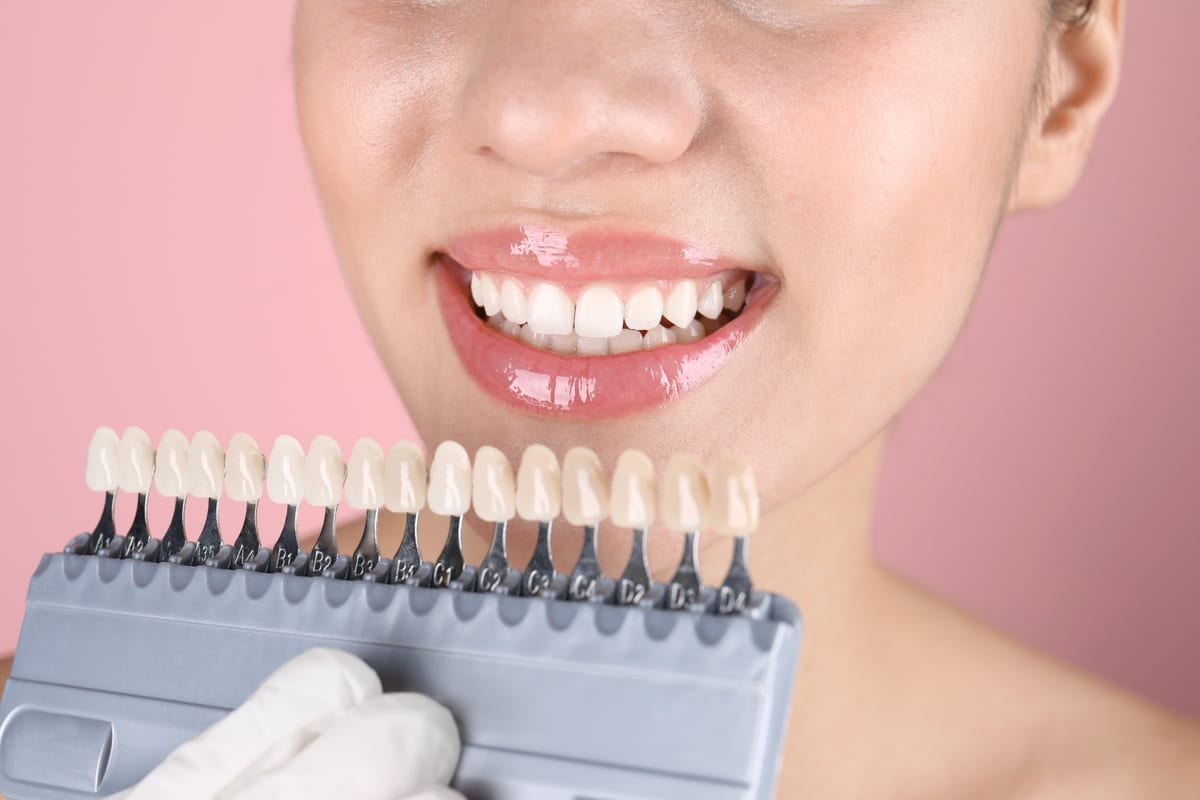
For patients interested in strengthening their smile further, we also offer Cosmetic Dentistry Rocky Point services including veneers and whitening treatments that can protect vulnerable teeth while enhancing their appearance.
Tips to Reduce Sensitivity Before Your Next Appointment
There are several things you can do at home to prepare for a more comfortable cleaning. Start using a sensitivity toothpaste at least two weeks before your appointment. This gives the active ingredients time to build up and reduce nerve reactivity.
Brush gently with a soft-bristled toothbrush twice a day. Aggressive brushing can wear enamel and push gums back, making sensitivity worse over time. Let the bristles do the work without added force.
Stay hydrated and avoid highly acidic foods and drinks in the days before your visit. Acid temporarily weakens enamel and can heighten sensitivity during your cleaning. Small adjustments to your routine make a real difference.
Frequently Asked Questions
Is sensitivity during a teeth cleaning normal?
Yes, it is completely normal to feel some sensitivity during a cleaning. It is especially common for patients with gum recession, enamel wear, or those who have gone longer between appointments. Our hygienists take steps to minimize discomfort throughout the process.
Can I ask my hygienist to stop if it hurts too much?
Absolutely. You are always in control during your appointment at Rocky Point Family Dentistry. Just raise your hand or say the word and your hygienist will pause immediately. We work at your pace to keep the experience manageable.
Will my teeth always be this sensitive during cleanings?
Not necessarily. Many patients find that sensitivity decreases with regular cleanings. As gum inflammation subsides and enamel is protected with fluoride treatments, each appointment tends to feel easier. Consistency is key to long-term comfort.
Does numbing gel really help during a cleaning?
Yes, topical numbing gel can significantly reduce the sharpness of sensitivity during scaling. It is applied directly to the gum tissue and takes effect within a few minutes. It is a simple, effective option for patients who experience significant discomfort.
How often should I schedule a cleaning if I have sensitive teeth?
Most patients benefit from a cleaning every six months. However, if you have gum disease or significant sensitivity, Dr. Austin Davis may recommend more frequent visits. We will work with you to find a schedule that supports your oral health and comfort.
At Rocky Point Family Dentistry, we believe that understanding why teeth cleaning causes sensitivity — and knowing how we prevent it — makes every visit less stressful. Dr. Austin Davis and our team are here to support anxious patients with gentle, thorough care. Book Now to schedule your appointment with our team.