7864 US-117 Suite A, Rocky Point, NC 28457, United States



You have probably wondered whether teeth whitening will actually work for you. It is one of the most common questions patients ask at Rocky Point Family Dentistry. The honest answer is: it depends. Whitening works beautifully for some people and barely at all for others. Understanding which category you fall into can save you time, money, and frustration right here in Rocky Point.
This guide will help you self-screen before booking a whitening treatment. Dr. Austin Davis and our team want every patient to walk away with realistic expectations and real results.
How Teeth Whitening Actually Works in Rocky Point
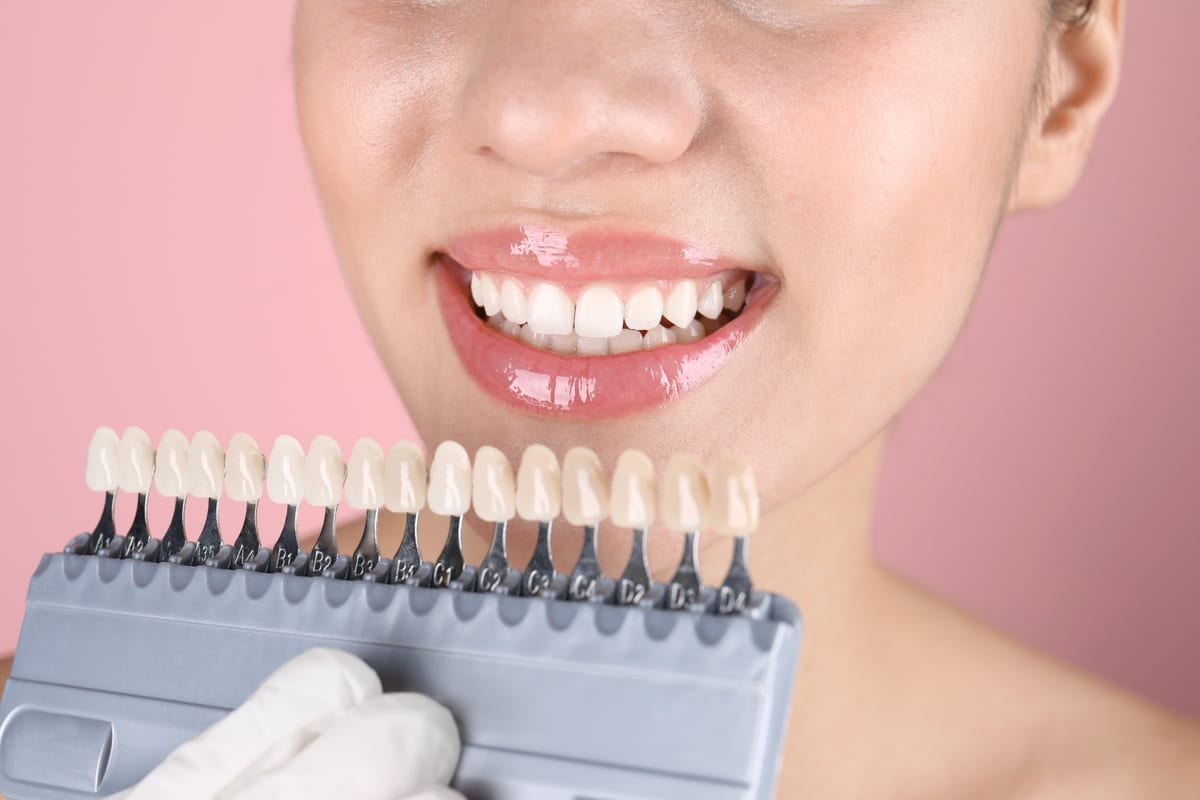
Most whitening treatments use hydrogen peroxide or carbamide peroxide. These ingredients penetrate the outer enamel layer. They then break apart the stain molecules trapped inside the tooth structure. The result is a lighter, brighter appearance.
Professional whitening uses higher concentrations than over-the-counter strips. That means faster results and more even coverage. It also means a trained professional monitors the process. That protection matters for both your safety and your outcome.
Whitening only affects natural tooth enamel. It does not change the color of crowns, veneers, bonding, or any dental restorations. This distinction is critical when deciding if whitening is right for you. We will cover restorations in more detail below.
Who Gets the Best Whitening Results
Certain patients respond to whitening exceptionally well. If you have yellowing caused by lifestyle habits, you are likely a strong candidate. These surface-level stains respond quickly to peroxide-based treatments.
Great candidates for whitening typically include people who:
- Drink coffee, tea, or red wine regularly
- Have naturally yellow-toned enamel
- Smoke or have smoked in the past
- Experience general aging-related discoloration
- Have healthy enamel with no significant erosion
Patients with healthy gums and no untreated cavities are also ideal candidates. Whitening on compromised teeth can cause sensitivity or irritation. Dr. Davis always performs a quick exam before recommending any whitening option. That step protects your long-term dental health.
Younger patients with thicker enamel often see more dramatic results. Enamel naturally thins as we age. Thicker enamel holds more stain molecules and responds better to whitening agents overall.
Who May Not Respond Well to Whitening
Not everyone will see the results they hope for. Knowing this upfront helps you make a smarter decision. Several conditions limit how effective whitening can be.
Patients who may see limited results include those with:
- Crowns, bridges, or porcelain veneers on front teeth
- Tooth-colored bonding or composite fillings
- Intrinsic stains caused by trauma or injury
- Tetracycline antibiotic staining from childhood
- Fluorosis, which creates white spots or brown patches
- Severely thinned or eroded enamel
Intrinsic stains sit inside the dentin layer, not just on the enamel surface. Whitening agents cannot reach those deeper stains effectively. This is a very common source of disappointment when patients whiten without guidance. A professional consultation prevents that frustration entirely.
Tetracycline staining is especially resistant to whitening. This type of discoloration appears as gray or brownish banding across the teeth. Even extended whitening sessions produce minimal improvement. Patients with this condition often explore Cosmetic Dentistry options like veneers instead.
The Problem with Crowns, Veneers, and Restorations
This is one of the most misunderstood areas of teeth whitening. Many patients do not realize their restorations will not respond to whitening treatment. Porcelain and composite materials are color-stable by design.
If you whiten your natural teeth while you have front-tooth restorations, a mismatch can occur. Your natural teeth will brighten while the restorations stay the same shade. That contrast can actually make your smile look less uniform than before.
There are two practical solutions in this situation. First, whiten your natural teeth and then replace the restorations to match the new shade. Second, consult with Dr. Davis about whether veneers might be a better overall solution. Either path requires a personalized plan before treatment begins.
Our team at Rocky Point Family Dentistry takes time to review your full dental history. We check for existing restorations before recommending any whitening approach. That thoroughness is part of what makes professional care different from drugstore kits.
Medication-Induced and Developmental Staining
Some discoloration has nothing to do with lifestyle or habits. Certain medications and developmental factors cause staining that starts inside the tooth. These cases require a different strategy entirely.
Tetracycline antibiotics taken during childhood can permanently affect tooth color. The staining embeds into the dentin as teeth develop. Surface whitening cannot correct this type of discoloration. Veneers or bonding typically produce far better outcomes for these patients.
Fluorosis occurs when children consume too much fluoride during tooth development. It causes white spots, streaks, or brownish patches on the enamel. Mild cases sometimes improve slightly with whitening. More significant cases often need cosmetic intervention to look their best.
If you are unsure what is causing your discoloration, a dental exam is the right starting point. Dr. Davis can identify the source of staining quickly. That diagnosis shapes the recommendation that follows. Guessing and buying whitening kits on your own rarely solves the real problem.
Professional Whitening vs. Over-the-Counter Options
Many patients try store-bought whitening before visiting a dentist. Over-the-counter products use lower peroxide concentrations. They can work for mild surface staining with consistent use over several weeks.
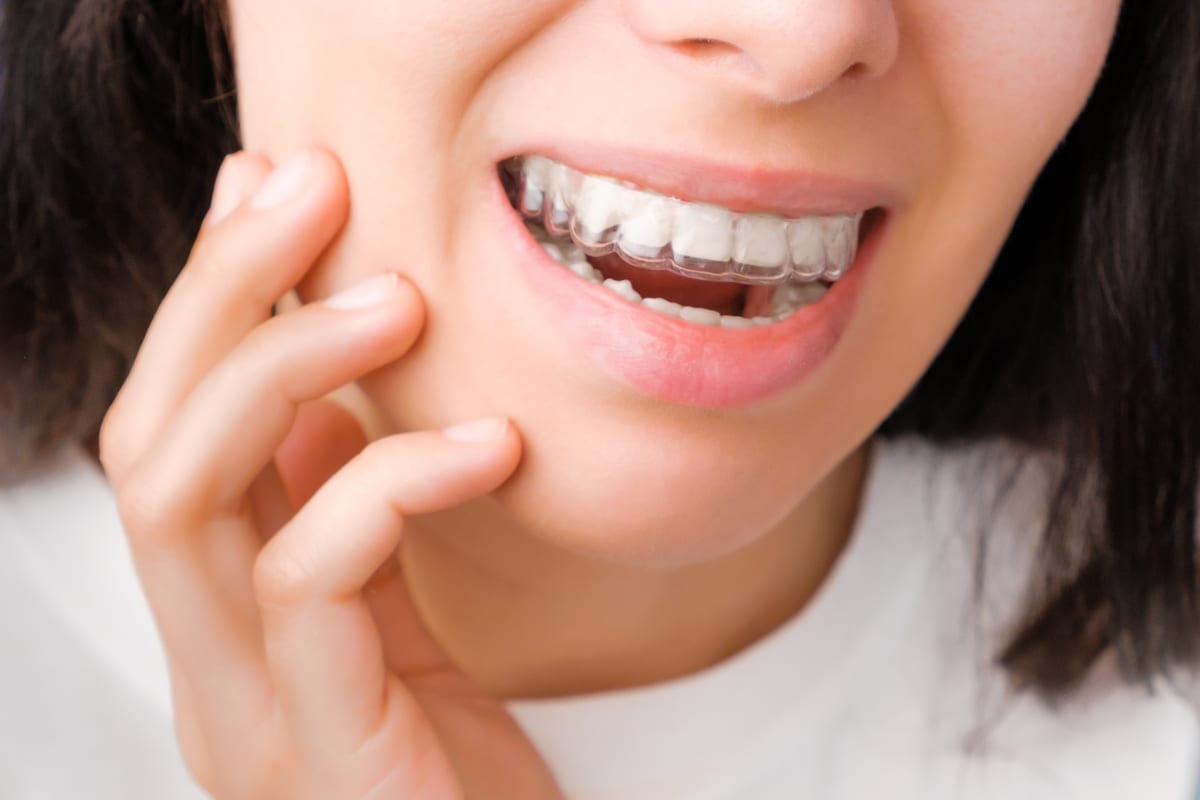
Professional whitening produces faster and more noticeable results. Custom trays made from impressions of your teeth deliver the gel evenly. That precision improves both effectiveness and comfort during treatment.
Another advantage of professional care is monitoring. Dr. Davis tracks your progress and adjusts recommendations if sensitivity develops. That oversight is something no whitening strip can offer. It is part of how Family Dentistry at our practice goes beyond basic care.
What to Expect at Your Whitening Consultation
Your first step is a conversation, not a treatment. Dr. Davis reviews your teeth, gums, and existing restorations. He also asks about the history of your staining to identify the likely cause.
If you are a good candidate, you will discuss your whitening options. These typically include in-office whitening for fast results or take-home trays for gradual brightening. Both options use professional-grade materials.
If whitening is unlikely to work well for your situation, you will hear honest alternatives. That transparency is something our Rocky Point patients consistently appreciate. We would rather guide you toward the right solution than sell you one that falls short.
Frequently Asked Questions
Will teeth whitening work if my teeth are naturally gray?
Gray-toned teeth are more resistant to whitening than yellow-toned teeth. Gray discoloration often stems from intrinsic staining, tetracycline exposure, or trauma. Whitening may produce some improvement, but results are usually limited. Veneers or bonding may be a more effective option for gray staining.
How long do professional whitening results last?
Most patients enjoy results that last one to three years with good care. Avoiding staining beverages or using a straw can extend those results. Touch-up treatments help maintain brightness over time. Your habits after whitening play a big role in how long results last.
Is teeth whitening safe for sensitive teeth?
Whitening can temporarily increase sensitivity in some patients. Professional supervision allows Dr. Davis to adjust the concentration or frequency of treatment. Desensitizing gels and custom trays also help minimize discomfort. Most patients with mild sensitivity can still safely whiten with the right approach.
Can whitening fix stains caused by antibiotics?
Tetracycline staining is one of the most difficult types to treat with whitening alone. Standard whitening treatments rarely produce meaningful results with this type of stain. Porcelain veneers are usually the most reliable solution for antibiotic-related discoloration. A consultation with Dr. Davis will help you understand your specific options.
Do I need a cleaning before whitening my teeth?
Yes, starting with clean teeth produces better whitening results. Built-up plaque and tartar can block whitening gel from reaching the enamel evenly. A professional cleaning also allows Dr. Davis to spot any issues before treatment begins. Most patients schedule a cleaning and whitening consultation at the same visit.
If you are ready to find out whether whitening is the right choice for your smile, our team is here to help with honest, personalized guidance. Book Now to schedule your appointment with our team.