7864 US-117 Suite A, Rocky Point, NC 28457, United States


Dental implants are the preferred dental restoration method, helping patients in Rocky Point, NC, replace their missing teeth. The system creates a permanent base that functions like natural teeth. People who live here need to understand how long dental implants will last and what factors affect their durability before deciding to get them.
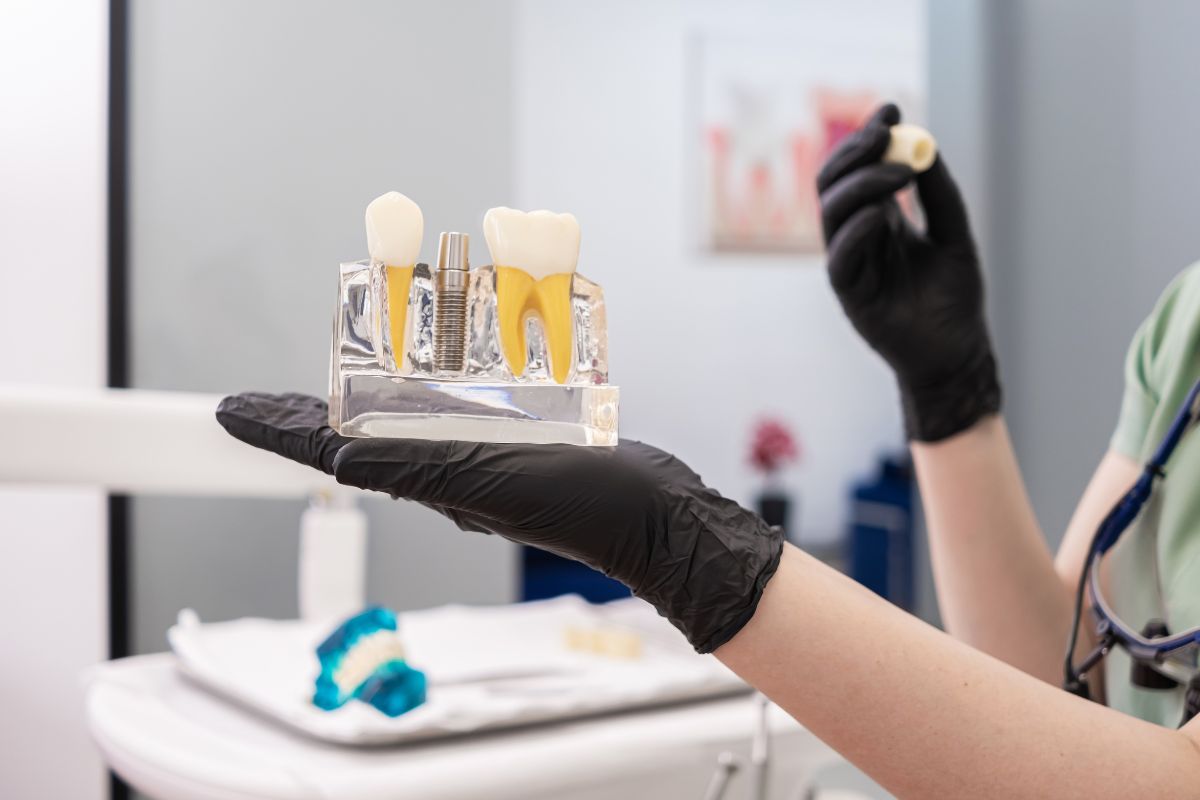
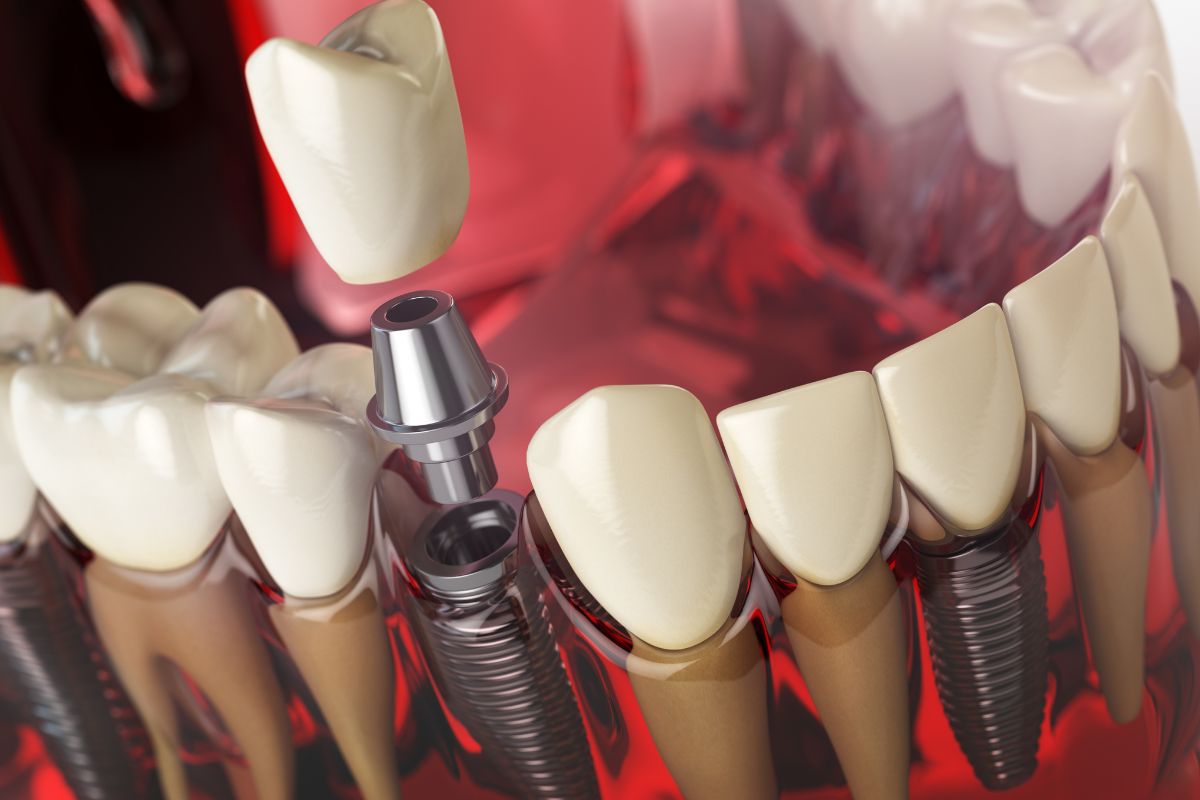
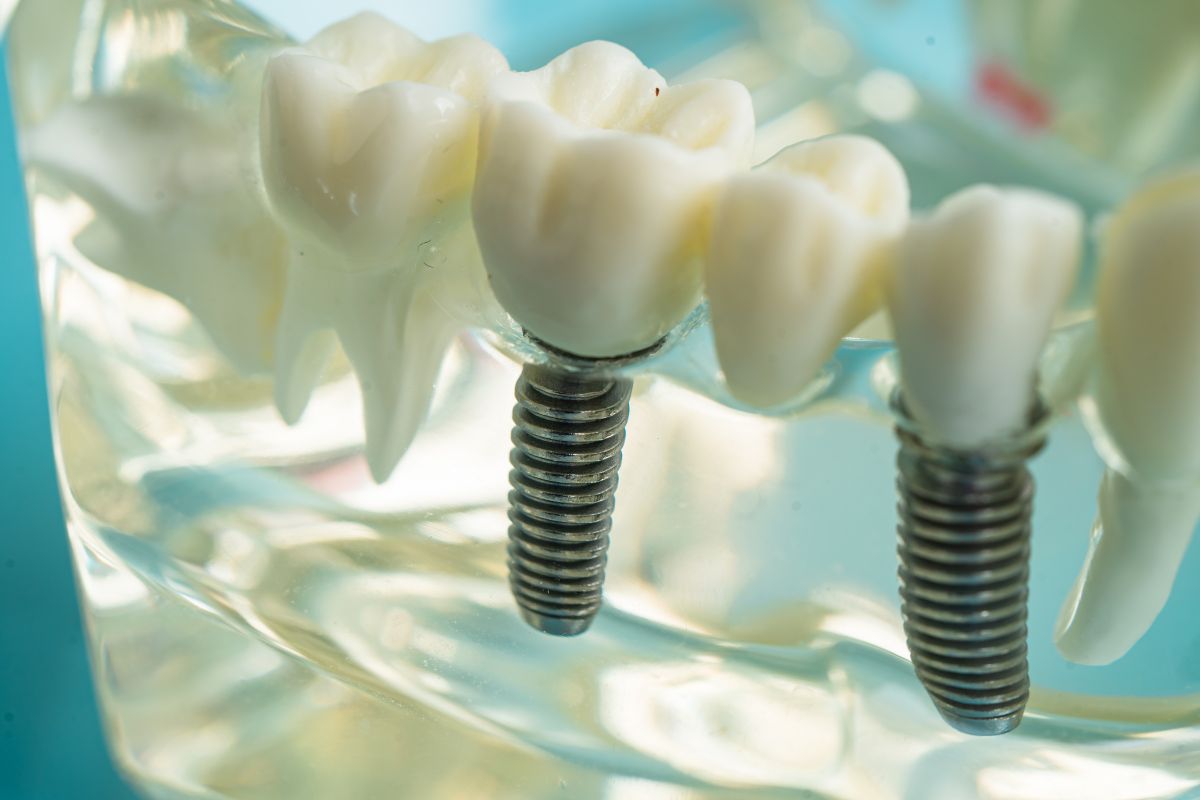
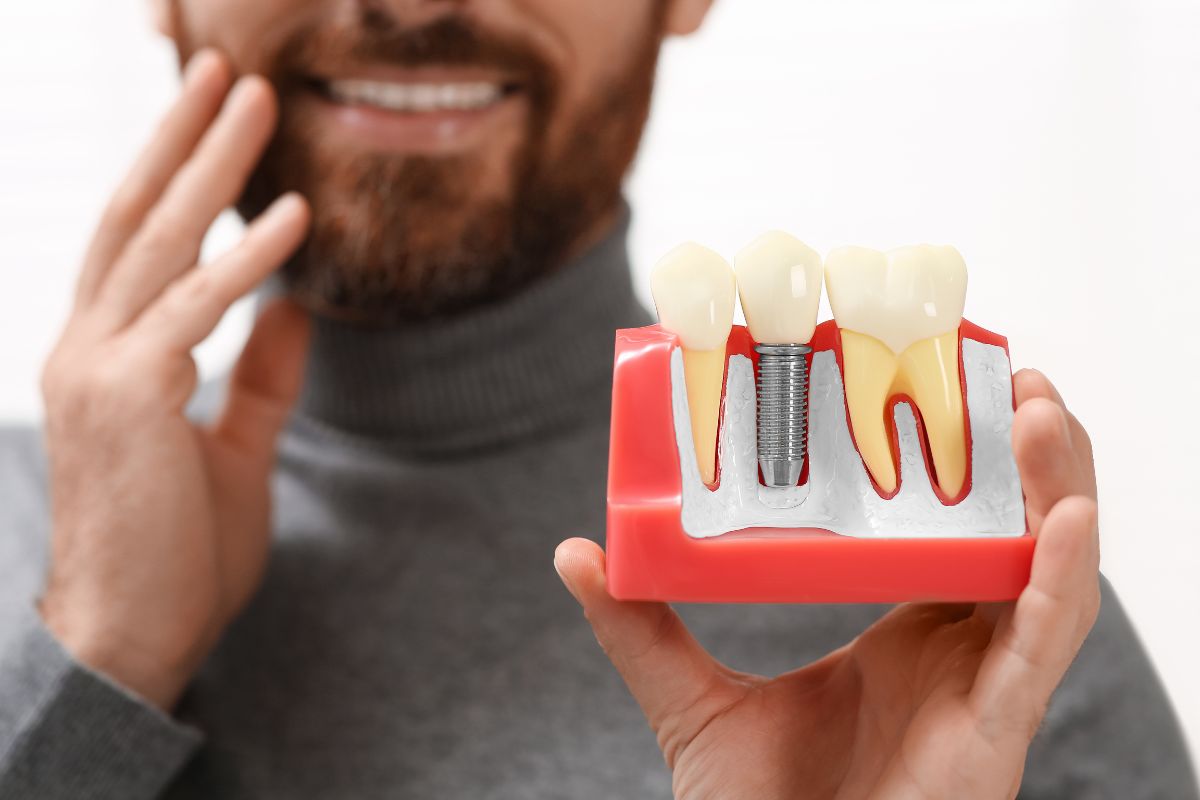
A dental implant consists of three separate elements: the titanium post, abutment, and crown. The procedure achieves total operational and visual restoration through its individual parts, which function as a complete system. Patients who understand the components of dental durability will select appropriate dental care methods and learn to manage their oral health effectively.
Factors Affecting Dental Implant Longevity
Multiple elements affect how long dental implants will last. The permanent nature of implants does not protect them from damage that various medical conditions could cause.
- Oral hygiene: Maintaining daily brushing and flossing helps prevent gum disease and keeps bones healthy.
- Bone density: The implant needs sufficient jawbone to achieve correct placement.
- Lifestyle habits: The healing process and implant stability are affected when people choose to smoke or drink excessive amounts of alcohol.
- Medical conditions: Such as diabetes, osteoporosis, or autoimmune conditions, may affect bone integration.
- Dental habits: Teeth grinding and clenching can generate excessive forces that threaten the safety of dental implants.
Understanding Dental Implant Lifespan
Research and clinical studies show that with proper care, dental implants can last 20 years or more. Many patients experience lifelong results when following recommended hygiene practices and attending regular dental visits. Early detection of complications, such as peri-implantitis (inflammation around the implant), is critical for maintaining long-term success.
How to Care for Your Dental Implants
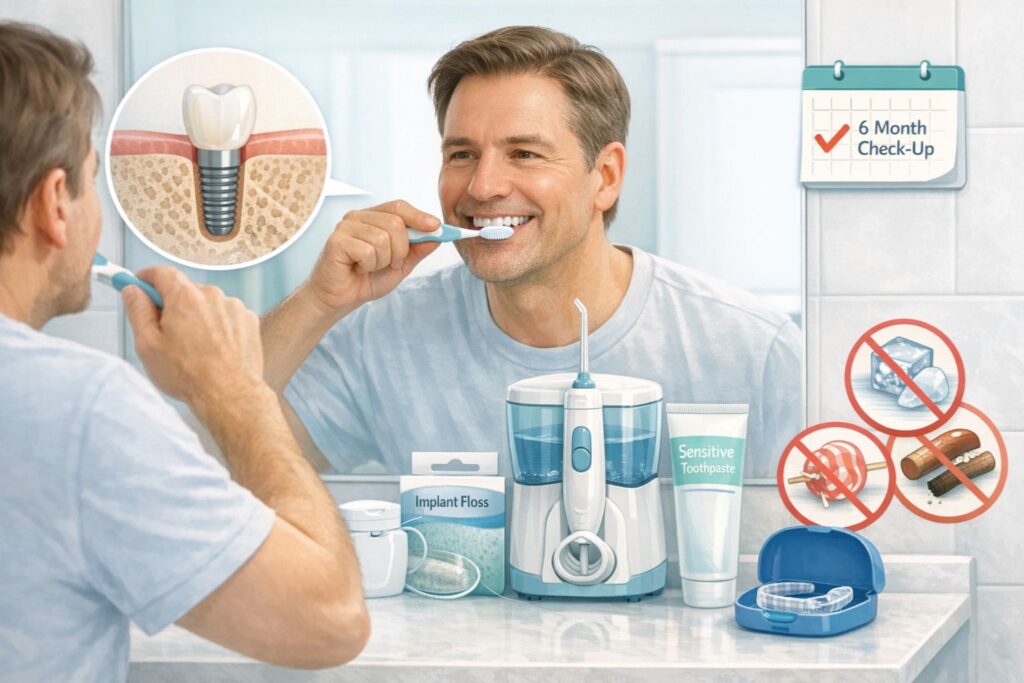
You need to maintain dental implants through regular maintenance, which involves continuous upkeep. The process requires the following essential steps:
- Brush teeth twice a day with a soft-bristle brush and a gentle toothpaste that does not harm teeth.
- Use implant-specific floss, along with water flossers, to remove dental plaque that forms between dental implants and natural teeth.
- Schedule professional dental cleanings alongside six-monthly evaluation appointments to maintain your health.
- Protect teeth with mouthguards during sports activities and when sleeping to prevent damage from teeth grinding.
- Avoid harmful habits. Limit sticky foods, chewing ice, and biting non-food items, as these can stress implants.
Adopt proper maintenance practices to help your dental implants last longer while maintaining your dental and tissue health.
Signs of Implant Issues
Even with excellent care, problems can arise. Watch for:
- Red, swollen, or bleeding gums around the implant
- Unusual mobility or shifting of the implant
- Persistent discomfort or pain
- Pus or foul taste from the implant area
If any of these occur, consult your dentist promptly. Early intervention can prevent implant failure and the need for additional procedures.
Why Longevity Varies Among Patients
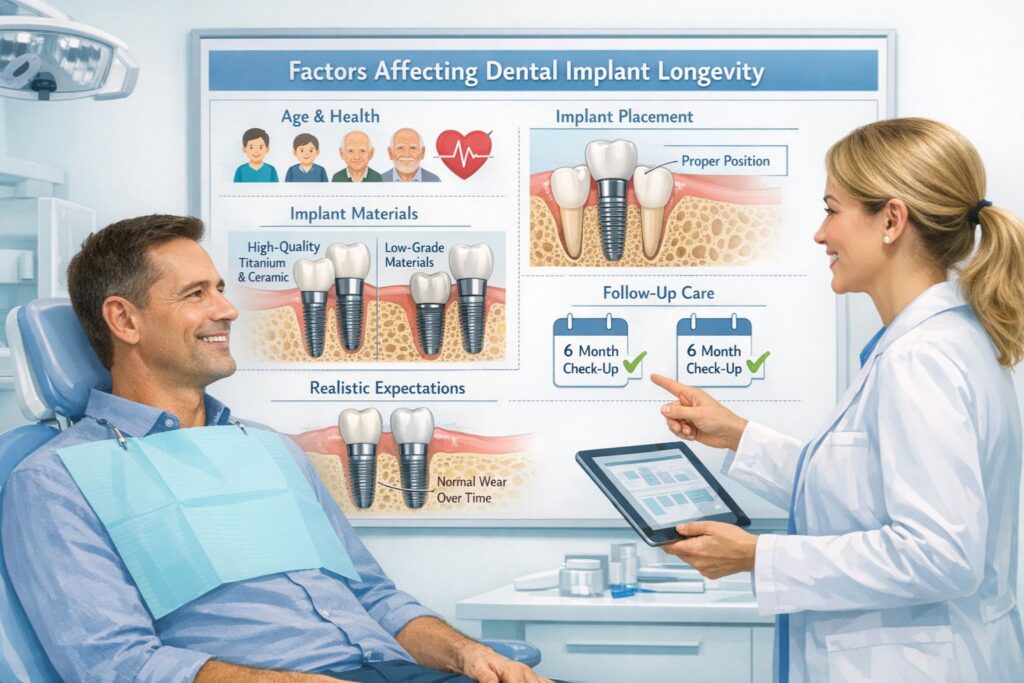
There’s no doubt about how durable dental implants are. However, the fact that they can last as long as some people say depends on many factors. These include the following:
- Age and General Health: The younger you are and the healthier your bones are, the longer you can expect the dental implants to last.
- Placement: Proper surgical placement of the dental implants will allow for an even distribution of forces placed upon them.
- Materials Used for the Restoration: High-grade titanium dental implants with quality crowns are likely to last much longer than lower-grade alternatives.
- Follow-Up Care: Continued dental monitoring will help reduce the likelihood of complications.
Even in the perfect situation, you may still experience complications or wear and tear. Even though you may have been provided with conditions for a successful implant, you should continue to have realistic expectations while taking care of your dental health.
Supporting Overall Oral Health
To use dental implants to their fullest potential, it is important to care for your entire mouth. This might mean doing the following:
1) Use an antimicrobial mouth rinse as directed by your dentist.
2) Maintain your gums and teeth to prevent the loss of additional teeth.
3) Monitor your diet to reduce the amount of sugar and acidic foods.
4) Stay informed on current and new hygiene practices and technology for implants.
These measures will help protect your dental implants and improve your overall oral health.
Conclusion: Ensure Lasting Results With Expert Care
When done correctly, the lifespan of dental implants can serve as stable and functional tooth replacements for many years. People living in Rocky Point, NC, who choose dental implants will experience improved chewing, speaking, and self-confidence. Our dental team at Rocky Point Family Dentistry will help you throughout the entire process — from your initial consultation to your ongoing maintenance — so that your dental implants will provide you with many years of reliable service.
Contact Us Now!
Contact Rocky Point Family Dentistry today to schedule a consultation regarding dental implants. You will also learn how to maintain the longest possible dental implant lifespan. Your investment in oral health deserves professional guidance and support.
Common Questions People Ask
1. How long does a dental implant usually last?
With proper care, dental implants can last 20 years or more. Longevity depends on oral hygiene, bone health, and lifestyle habits. Regular dental visits help ensure lasting results.
2. Can dental implants fail?
Yes, but failure is uncommon. Risk factors include poor oral hygiene, gum disease, smoking, or underlying medical conditions. Early detection and care improve success rates.
3. Are dental implants safe for older adults?
Yes. Age alone is not a barrier. Adequate bone density and good general health are more important for successful outcomes.
4. How do I clean my dental implants effectively?
Brush twice daily, floss with implant-specific tools, and use antimicrobial rinses as recommended. Professional cleanings every six months are essential for longevity.
5. Are there foods I should avoid with implants?
Avoid extremely hard foods, ice, or sticky candy. These can stress the crown or abutment and may cause damage over time.