7864 US-117 Suite A, Rocky Point, NC 28457, United States

Losing a tooth can change the way you eat, talk, and even smile. Whether you are chatting at the farmer’s market or having dinner with loved ones, a lost tooth may even make you feel differently about yourself as you go about your day. Fortunately, in today’s world, modern restorative treatments can fix your mouth’s function with proven dental solutions.
Determining the best treatment is not always easy. Each treatment is used in a specific situation, and the one that’s right for you depends on your oral health, daily lifestyle, and future needs. Learning about the goals of each kind of treatment can help you feel more comfortable and prepared when discussing the best course of action with your dentist.
What “Restorative” Care Really Means?
Restorative dentistry is all about fixing or replacing teeth that do not work properly. These issues include cavities, cracks, missing teeth, or infections within a tooth. Unlike other dental procedures, restorative dental care aims to restore your teeth so you can bite, chew, and eat properly again.
For patients who need restorative dentistry in Rocky Point, NC, the main objective is basic: protect what’s left, prevent further damage, and keep your mouth comfortable. The dentist thoroughly examines your mouth before offering any dental treatment, ensuring you receive care that meets your short- and long-term needs.
Start With a Clear Diagnosis
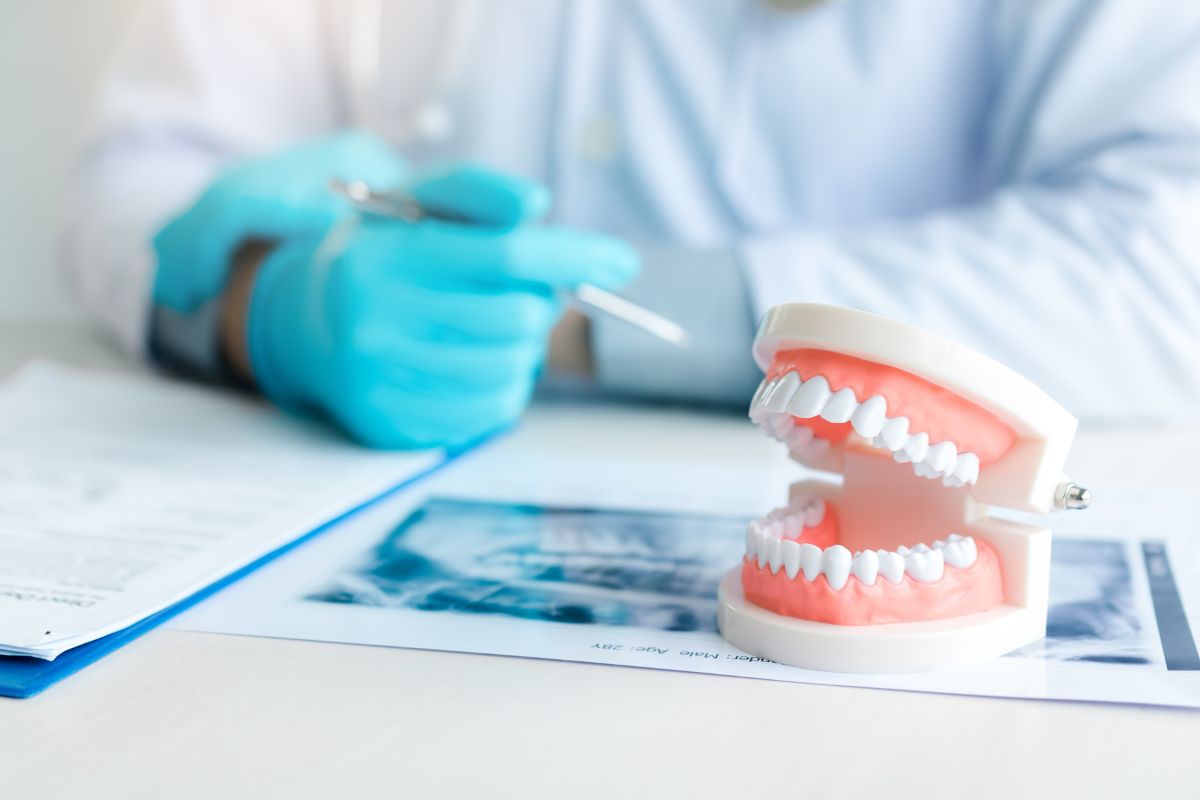
Before treatment is chosen, the dentist will examine your teeth, gums, and jaw. X-rays and checks help identify problems that are not easily visible. A tooth that has merely cracked may look normal, but could also be accompanied by unseen problems.
This is important because different problems have different solutions. This may mean that the tooth with the nerve infection will require a different type of solution than the missing tooth. Evaluation is necessary and cannot be skipped.
Understanding Your Restorative Options
Each restorative treatment has a unique purpose. When you know what each treatment does, you’ll know why your dentist is using a particular treatment.
1. Dental Bridges
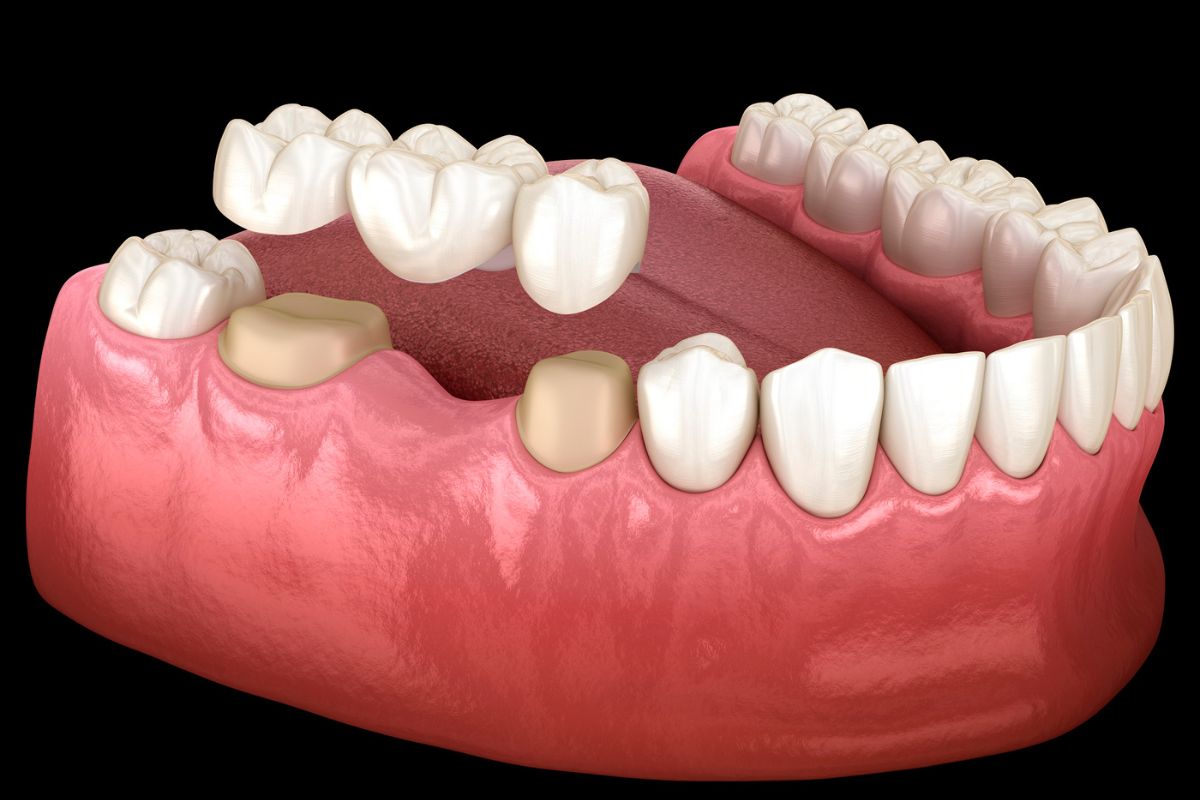
A bridge consists of one or more missing teeth, and it is supported by one or more adjacent teeth. The purpose of the bridge is to facilitate mastication and prevent other adjacent teeth from shifting. Bridges are used when some teeth are present beyond each side of the jaw.
2. Dental Sealants
The chewing surfaces of teeth are protected against decay by sealants. Although this is common among young children, adults can also benefit from having deep grooves on their molars. They are used as protection against food particles and bacteria.
3. Dentures and Partials
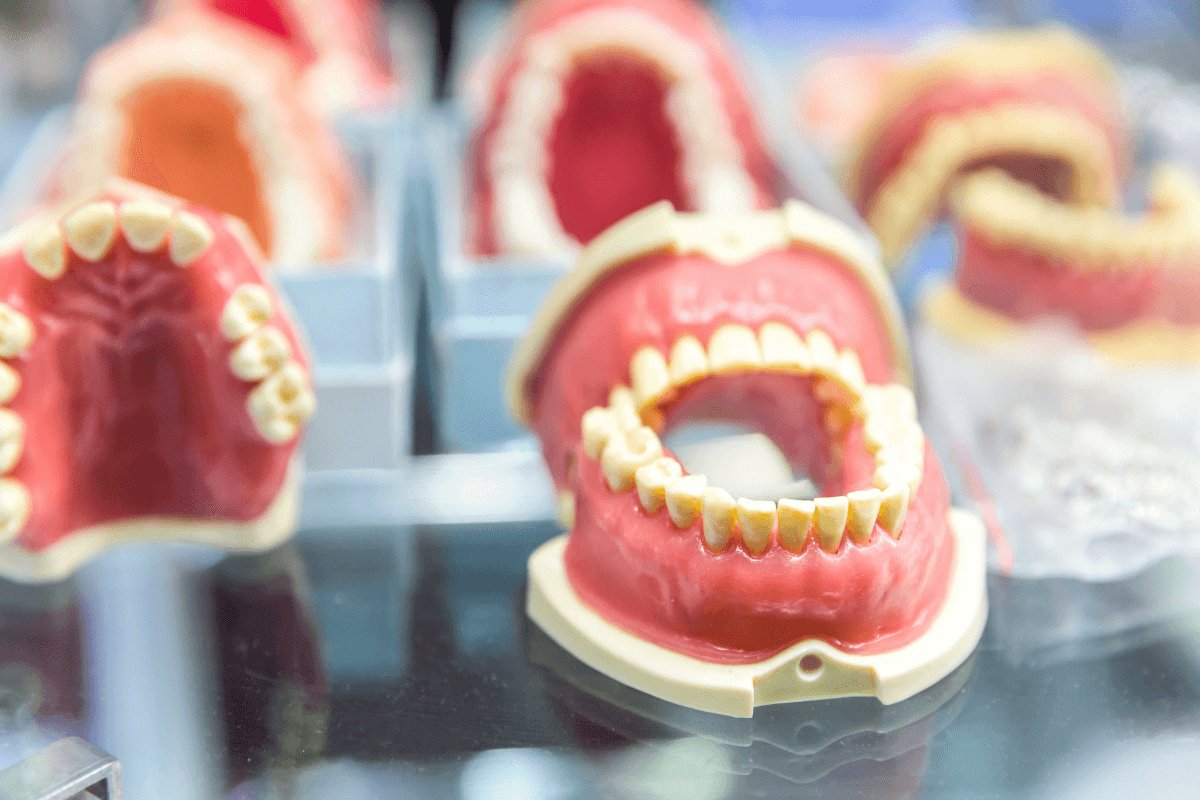
Dentures are prosthetic appliances that replace several missing teeth. If all teeth are missing, full dentures are prescribed, whereas partial dentures are designed when one or more teeth are present. In addition, they play a role in maintaining the overall appearance of the face and enabling patients to eat various types of food again.
4. Dental Implants
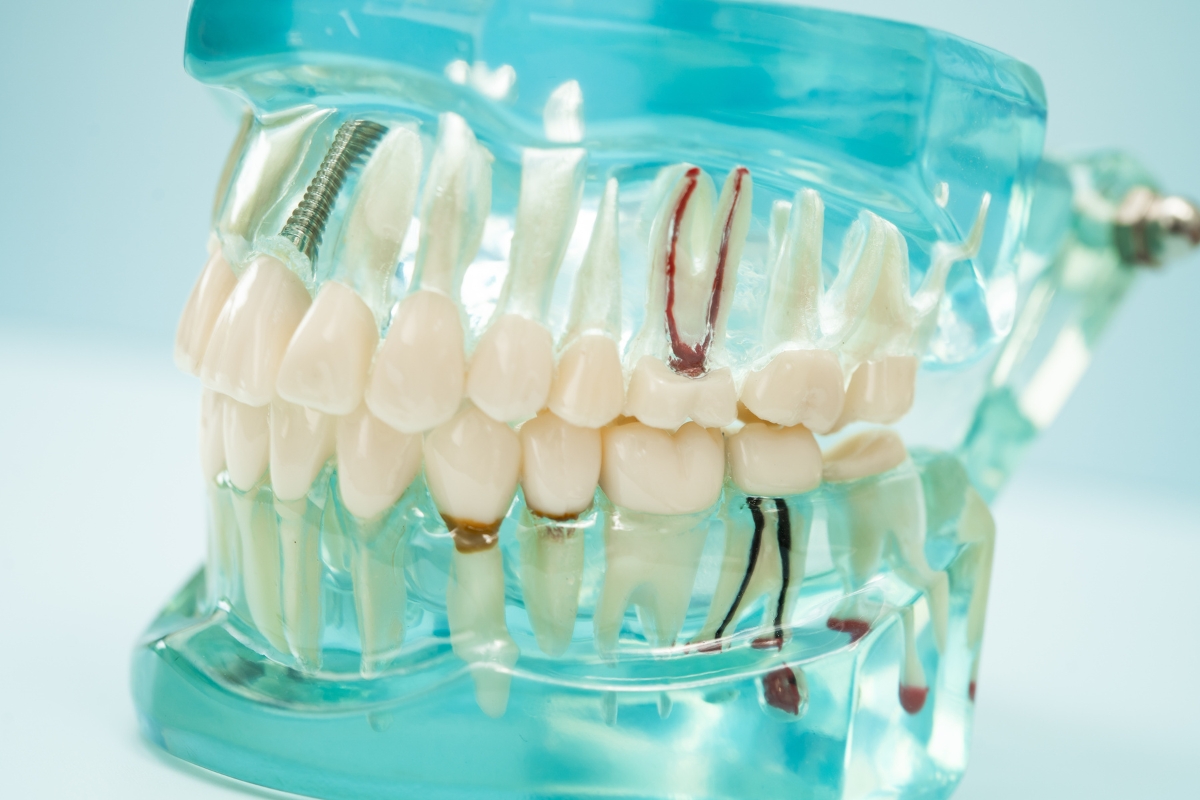
In this type, implants are used to replace the missing tooth. In this case, an artificial tooth root is placed in the jawbone and topped with a crown. The implants help in preventing bone loss in the jaw. This option is preferred because it is stable and functions well.
5. Root Canal Therapy
If the inner portion of a tooth becomes infected, root canal therapy relieves pain by removing the infected tissue while keeping the tooth intact rather than extracting it.
How do Lifestyle and Habits Influence Your Choice?
Your everyday life also affects your choice of appropriate treatment. People who enjoy crunchy or chewy edibles ought to have a more robust solution. Others who grind their teeth may require extra protection.
Local routines are important, too. Think about it: boating trips to the Northeast Cape Fear River, barbecues in the back yard on a warm summer day, or noontime meals, teeth must function under such conditions, and that’s part of the discussion with your dentist to help you make a decision.
Choosing With Confidence
The best option for you is one that meets your dental needs and lifestyle. Learning about the process for each treatment option will help you have a better discussion with your dentist. This will help you feel comfortable taking charge of your care. Think about the function, think about which treatment will enable normal chewing and speaking.
- Protect surrounding teeth: There are options that can prevent other teeth from moving or weakening.
- Consider jawbone health: Tooth replacement techniques can help preserve or strengthen bone structure.
- Ask about care routines: Different options have various cleaning and maintenance requirements.
- Plan for long-term comfort: The solution should feel natural and comfortable over time.
The Role of Your Dentist in the Process
A dentist does not simply tell you about a procedure. They tell you what is happening in your mouth and explain how each option will fix the problem. They also check for gum health, proper bite, and healing capacity before they even begin.
It’s very important for your oral health that there is clear communication. You are encouraged to ask how long any treatment will take, what’s required of you, and what you can expect later. It’s all about helping you make a choice that’s informed rather than coerced.
Why Timing Matters?
In a town where seafood meals and social get-togethers are common, good teeth help make those events comfortable and stress-free. The sooner restorative treatments are received, even for minor issues, the easier they may be to address. A small cavity may turn into a deep infection, and a lost tooth can put strain on other teeth and the jaw. Early intervention may lead to simpler, more successful treatments.
A Healthy Smile Starts With the Right Plan
Restorative options are available to rebuild what has been lost and to maintain what still remains. Whether it’s decay, infection, or lost teeth, choosing the right option can help rebuild and restore comfort and stability. Careful evaluation and communication are key to making it all work.
At Rocky Point Family Dentistry, the goal is to help you navigate an informed decision for your oral well-being. Perhaps you are unsure which restoration option works best for you? By coming in for a consultation, you may find direction for your treatment. This, too, may allow you to return to your normal routine with greater ease!
Questions People Ask About Restorative Treatment
1. How do I know which restorative treatment is right for me?
Your dentist will examine your teeth and, if needed, take images. They match the treatment to your specific issue, such as decay, infection, or tooth loss. The right choice depends on tooth condition, gum health, and how the treatment supports daily function.
2. Is root canal therapy only for painful teeth?
Root canal therapy is not always done for painful teeth. Some infected teeth cause little discomfort at first. X-rays may show damage before pain appears. Root canal therapy removes infected tissue and seals the tooth to prevent further spread, even when symptoms seem mild.
3. Can dentures and partials improve daily eating?
Yes. These appliances restore missing teeth so you can chew more evenly. They also help support facial muscles and improve speech clarity. Proper fit and regular dental checks help keep them comfortable and effective over time.
4. Do dental implants work for single missing teeth?
They can. Implants replace individual teeth without relying on nearby teeth for support. They also help maintain jawbone structure. Your dentist will check bone health and overall oral condition before recommending this option.
5. Are dental sealants only for children?
No, sealants are for both children and adults. Adults with deep grooves in their molars or a history of dental decay may also benefit. Sealants create a protective layer that blocks food and bacteria from settling into hard-to-clean areas, reducing the chance of future cavities.