7864 US-117 Suite A, Rocky Point, NC 28457, United States

Your smile contributes greatly to your overall appearance, but if there’s been any damage to your teeth and gums, then it’s necessary to have it sorted out. People often delay visits to the dentist if they have any dental work they feel isn’t serious enough to address. But the consequences could be much more serious in the long run.
Restorative dental treatments are essential for the functionality and aesthetics of your teeth. Whether it’s a cavity, lost teeth, or gum disease, it is always essential to seek immediate attention. Throughout this blog, we will clarify the risks associated with procrastination when it comes to restorative dental treatments.
Importance of Timely Restorative Care
When you avoid or ignore restorative dental work, the problem you are currently facing is not going to resolve on its own. On the contrary, the situation is likely to worsen. This is true whether you have a cavity, a broken tooth, a missing tooth, or any other oral health problem, because ignoring the issue can lead to further complications.
For instance, a simple cavity might escalate into an infection that requires more advanced treatments, such as root canal therapy or tooth extraction. Also, if that tooth is not addressed, bone loss might develop, making the process of installing dental implants more difficult. The longer you put off treatment, the more complex it will become.
Risks of Delaying Restorative Treatment
If you delay regular dental care, it can affect your dental health and your life in different ways. Restorative dentistry in Rocky Point, NC, defends you from a variety of such problems. The longer you take before dentists help you with dental problems, the more serious the problems could be. Below are some of the problems with postponing dental work:
1. More Vulnerable to Infections
Damaged teeth from decay, cracks, or trauma may provide a path for bacteria to enter and cause infections. If left untreated, an infection may spread within or beyond the tooth area, leading to an abscess that may require emergency attention due to its potential severity and location within the body, necessitating surgical removal of the tooth.
2. Tooth Loss
Untreated, cavities and gum disease can lead to tooth loss. A small cavity can progress and become a bigger issue, leading to a tooth that’s too damaged to be salvaged. Gum diseases that aren’t attended to can make your teeth loose and cause them to fall out. More complex restorations, such as dental implants, dental bridges, and dentures, may be required for untreated dental conditions.
3. Difficulty Eating & Speaking
Because missing or compromised teeth can lead to problems with eating and speaking clearly, it may result in nutritional deficiencies. Even if there are other alternatives, such as dentures, partials, or bridges, the consequences for speaking and eating can be exacerbated if the problem is left unattended.
4. Bone Loss
Missing teeth can contribute to the degradation of jawbones. Losing teeth means the body’s bones lack the stimulus needed for health. If you wait too long to replace teeth with implants, you might end up needing bone grafting so that you can finally get implants. Bone grafting procedures can often be avoided if you seek help earlier.
5. Aesthetic Concerns
Gapped or missing teeth can also affect the aesthetic aspect of your smile. Over time, the area where the tooth is missing can cause your other teeth to shift from proper alignment. Another aspect that implant or fixed bridges can correct is aesthetic appeal. Eventually, if you wait too long to replace your smile with implants or fixed bridges, you will have to alter your tooth alignment.
Common Restorative Treatments and Their Benefits
You can benefit from a range of restorative dental procedures tailored to your needs. Let’s have a detailed look at some of the most common ones:
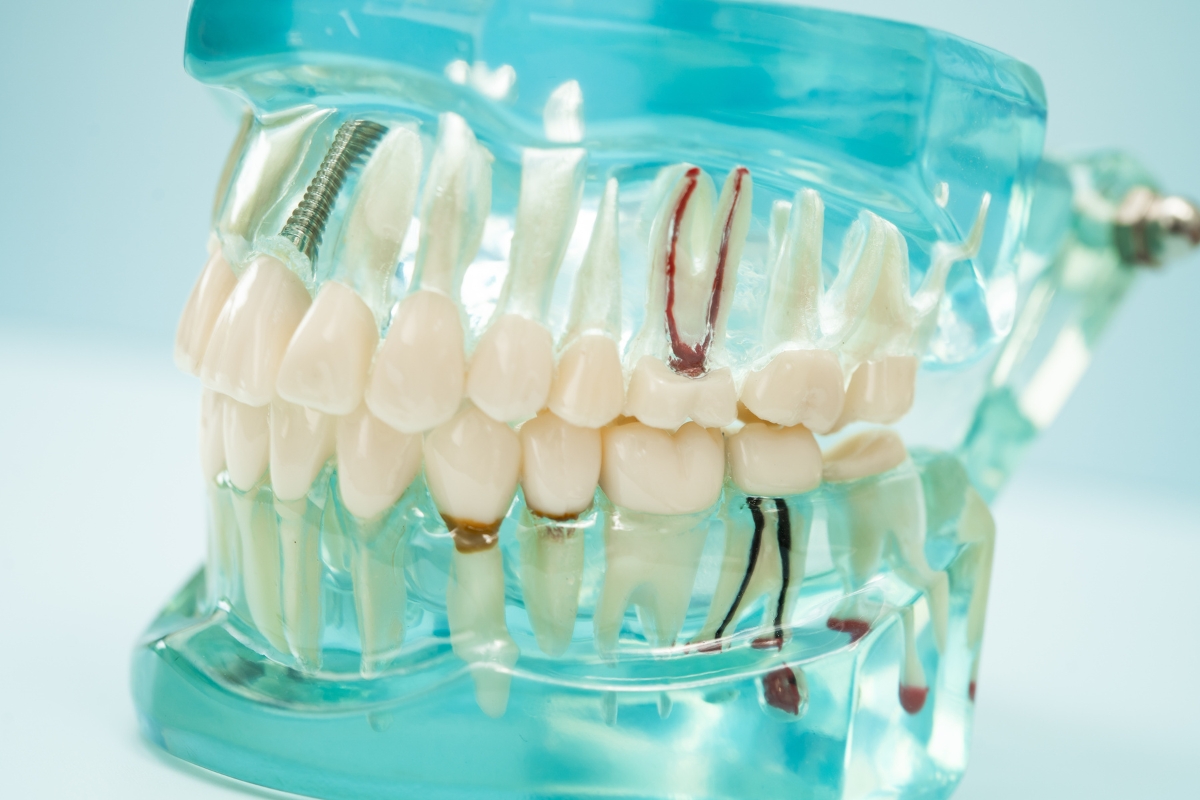
1. Dental Implants: These titanium rods can be installed inside your jawbone to fill in spaces where your teeth may be missing. Dental implants offer the most realistic option you have for replacing missing teeth.
2. Root Canal Therapy: In cases where the tooth has decayed or become infected to a point where it cannot be saved, root canal therapy may be needed to save the tooth. This involves removing the infected material from within the tooth and sealing the tooth.
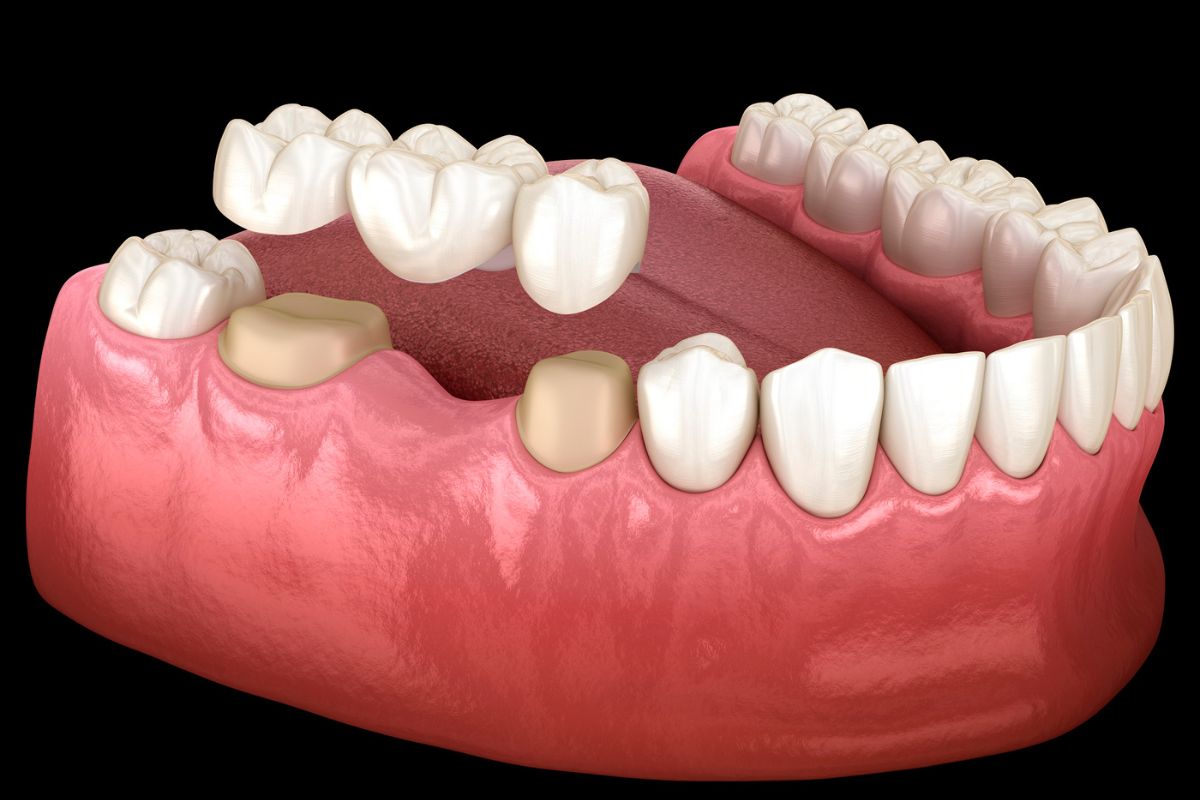
3. Bridges: Dental bridges are used when a person has missing teeth and are placed on top of existing teeth on either side of a missing tooth. They act as a permanent solution for replacing a single tooth or a set of teeth that are missing within a
4. Dentures & Partials: Dentures are removable devices that are used to replace teeth. Partials are the same as dentures, but are used when some teeth are left in the mouth.
5. Sealants: Dental sealants are thin layers of material used on the top of your teeth to protect them from cavities and decay. This is mostly needed for, but not limited to, children and adolescents.
How to Prevent the Need for Restorative Dentistry?
Although restoration treatments are crucial in other situations, it is always important to prioritize prevention. Below are some tips you can follow to lower your chances of needing restoration treatments:
1. Brush & Floss Regularly: There’s no better way to maintain clean teeth, prevent cavities, gum disease, & tooth loss than brushing & flossing. Brush your teeth & floss every day.
2. Avoid Sugary Foods and Beverages: Sugary and acidic foods can cause tooth decay and erosion. Avoid consuming such foods as much as possible.
3. Wear a Mouthguard: If you play contact sports, wear a mouthguard to protect your teeth.
4. Regular Visits to Your Dentist: Regular checkups with your dentist are paramount for detecting problems before they become more serious. Your dentist can detect early signs of decay or gum problems and help maintain your oral health.
Take Action Now to Protect Your Smile
Restorative dentistry is an important field for maintaining your smile’s health. However, delaying care may lead to problems that could have been prevented with timely attention.
Are you having some dental problems? Do not wait, and schedule an appointment with us at Rocky Point Family Dentistry to take the first step to a healthier smile. Our team provides a wide array of restorative dental services to ensure you can maintain your oral health and smile with confidence for many years to come.
FAQs
1. How long can I wait before getting a dental implant?
It’s best to replace missing teeth as soon as possible. Delaying the treatment can lead to bone loss, making it more difficult to place a dental implant. The sooner you address the issue, the better the long-term results.
2. What happens if I don’t get a root canal?
If left untreated, an infection in the tooth can spread to other parts of the mouth and body, potentially leading to abscesses and tooth loss. Root canal therapy can save the tooth and prevent further complications.
3. Can bridges replace multiple missing teeth?
Yes, dental bridges can replace multiple missing teeth. They are designed to span the gap left by missing teeth and are anchored to the adjacent healthy teeth or implants.
4. Are dentures difficult to get used to?
It may take some time to get used to wearing dentures. However, most patients adjust within a few weeks. Dentures are custom-made to fit comfortably and improve both functionality and appearance.
5. How do I prevent tooth decay from getting worse?
Regular brushing, flossing, and professional dental cleanings are essential for preventing tooth decay from worsening. If you notice any signs of cavities or gum disease, it’s crucial to seek treatment promptly.