7864 US-117 Suite A, Rocky Point, NC 28457, United States


When it comes to repairing a decayed and damaged tooth, two procedures are often considered: root canal therapy and dental implants. Although both treatments offer distinct benefits, root canals are often considered a better option than dental implants in many situations. It is essential to know the details of both procedures to decide which is right for you.
Dental implants are the easy way out when teeth are damaged. However, they require more procedures and time before one can fully recover. In contrast, a root canal procedure takes less time and helps maintain your teeth. This blog will help you understand why undergoing a root canal procedure is the only way to keep your teeth healthy.
What Is Root Canal Treatment?
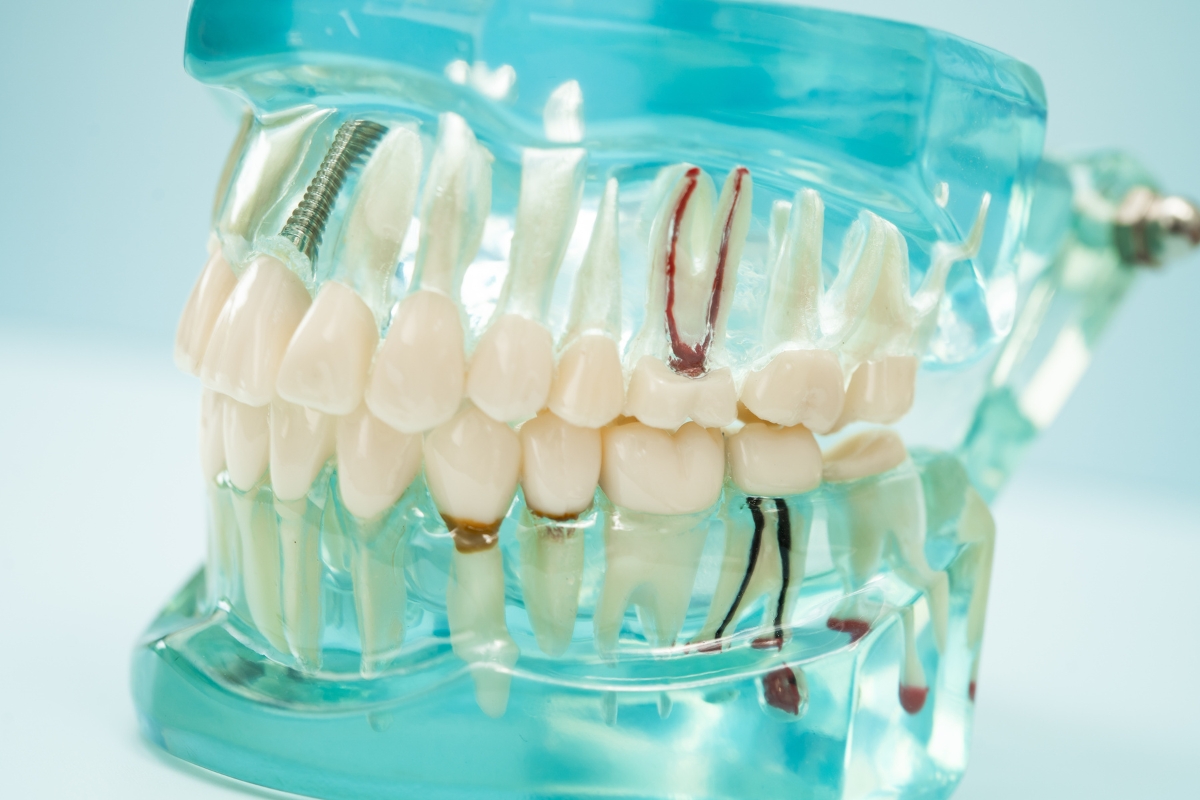
A root canal, also known as endodontic treatment, is a dental procedure performed to preserve a tooth that has been damaged or infected. When the pulp inside the tooth is infected or decayed, the dentist will remove the decayed tissue, clean the tooth’s interior, and seal it to prevent further infection. This helps to ensure that your tooth works normally for years to come.
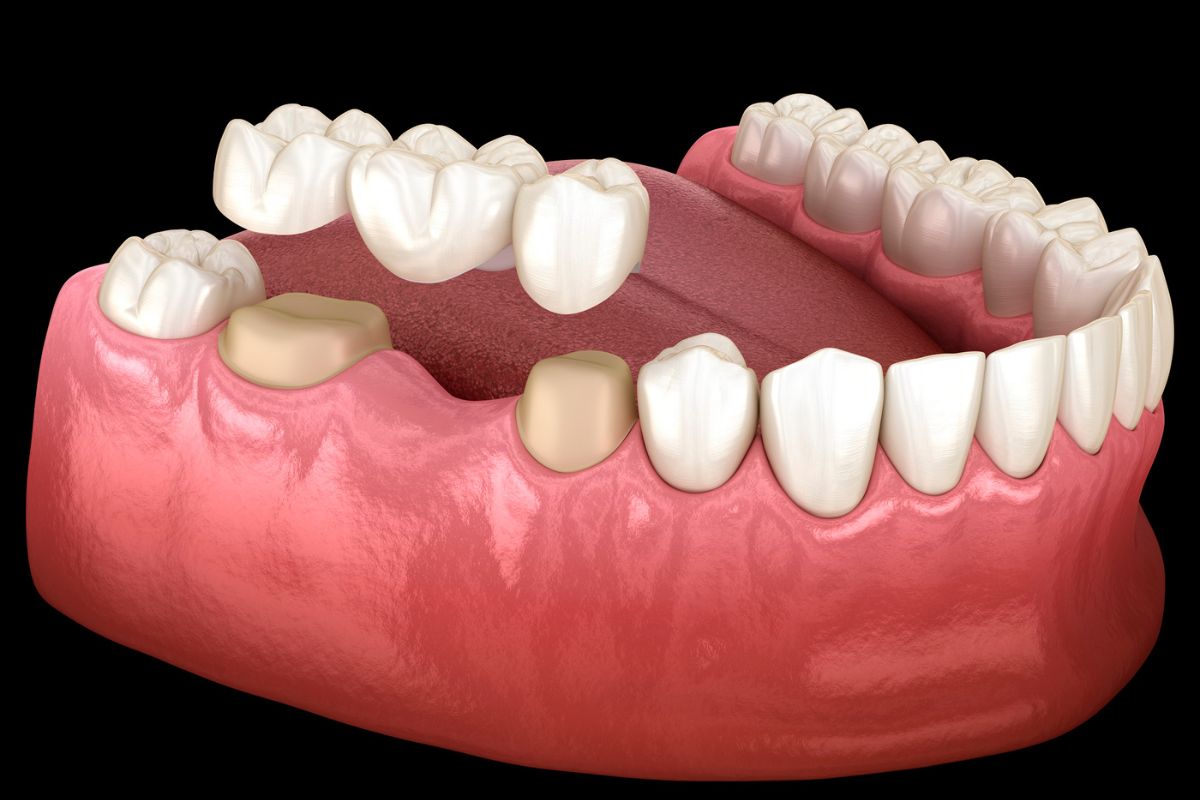
For root canal therapy in Rocky Point, NC, the treatment procedure includes examining the tooth and removing the infected pulp tissue. A seal is also applied to the tooth. Occasionally, a crown is placed on a tooth to protect it from damage. A tooth that has received root canal treatment will look and feel like a regular tooth.
What Are Dental Implants?
Dental implants are an artificial substitute for lost teeth. They are made of titanium, and the post that is implanted inside the jawbone represents the root of the tooth. A crown is placed on the post to simulate the presence of the tooth.
Even though dental implants are highly effective for replacing missing teeth, they involve surgery, healing time, and several months for the implants to integrate with the jawbone fully. Another concern is that dental implants might not be suitable for all patients, especially those with low bone density or some underlying health conditions.
Why Saving Your Natural Tooth is Important?
When choosing between a root canal and a dental implant, the former demonstrates several advantages over the latter. Here’s why you should select a root canal when it is an option:
- Natural Look & Feel: Your natural teeth are designed just for your mouth. By using a root canal to preserve your tooth, you can maintain the natural look that is hard to duplicate by using an implant.
- Less Invasive: A root canal is not a surgical procedure; therefore, no cuts or bone grafts are required. A root canal is also much faster and painless compared to dental implant surgery.
- Support Your Bones: With an extraction, the jaw’s bone structure begins to break down over time. With a root canal, the integrity of the bone structure is maintained, as the tooth remains intact. This is not an implant, which involves surgically installing a post in the jawbone.
- Rapid Recovery: As there is no surgical procedure involved in root canal treatment, recovery time is significantly shorter than that for implants. Patients can easily resume their normal activities in a couple of days.
Make The Right Choice For Your Smile
Even though a dental implant may seem visually attractive in some instances, performing a root canal on your tooth is definitely the better solution when you have a damaged or infected tooth. This not only allows you to retain your natural smile but also helps keep your jawbone in a healthy condition. The best way to maintain good oral health is to have a root canal when a tooth is damaged or infected.
If your tooth has been causing you trouble, a root canal procedure may be the solution to help you save your natural smile. At Rocky Point Family Dentistry, we can help you explore your options and provide solutions to give your smiling face the ultimate care. Our team will help ensure your smile stays healthy and strong. Give us a call today to schedule an appointment and find out whether you should have a root canal.
FAQs
1. What are the steps involved in a root canal treatment?
The root canal treatment steps include examining the tooth, removing infected tissue, cleaning the root canals, and sealing the tooth. A crown is often placed afterward to protect the tooth.
2. How long does a root canal treatment take?
A typical root canal takes about 1 to 2 hours, depending on the complexity of the case. Most patients return to their daily activities within a few days.
3. Is a root canal painful?
Modern techniques and anesthesia make root canal treatments virtually painless. Most patients report feeling minimal discomfort after the procedure.
4. Can a root canal save a severely damaged tooth?
Yes, a root canal can save a severely damaged tooth by removing the infected pulp and restoring the tooth’s function. It’s often more effective than extracting the tooth.
5. How long does a root canal last?
With proper care, a root canal-treated tooth can last a lifetime. It’s essential to maintain good oral hygiene and visit your dentist regularly.
6. Is it better to get a root canal or a dental implant?
If the tooth can be saved, a root canal is often the better option as it preserves your natural tooth and surrounding bone structure. However, implants may be necessary if the tooth is too damaged to repair.