7864 US-117 Suite A, Rocky Point, NC 28457, United States


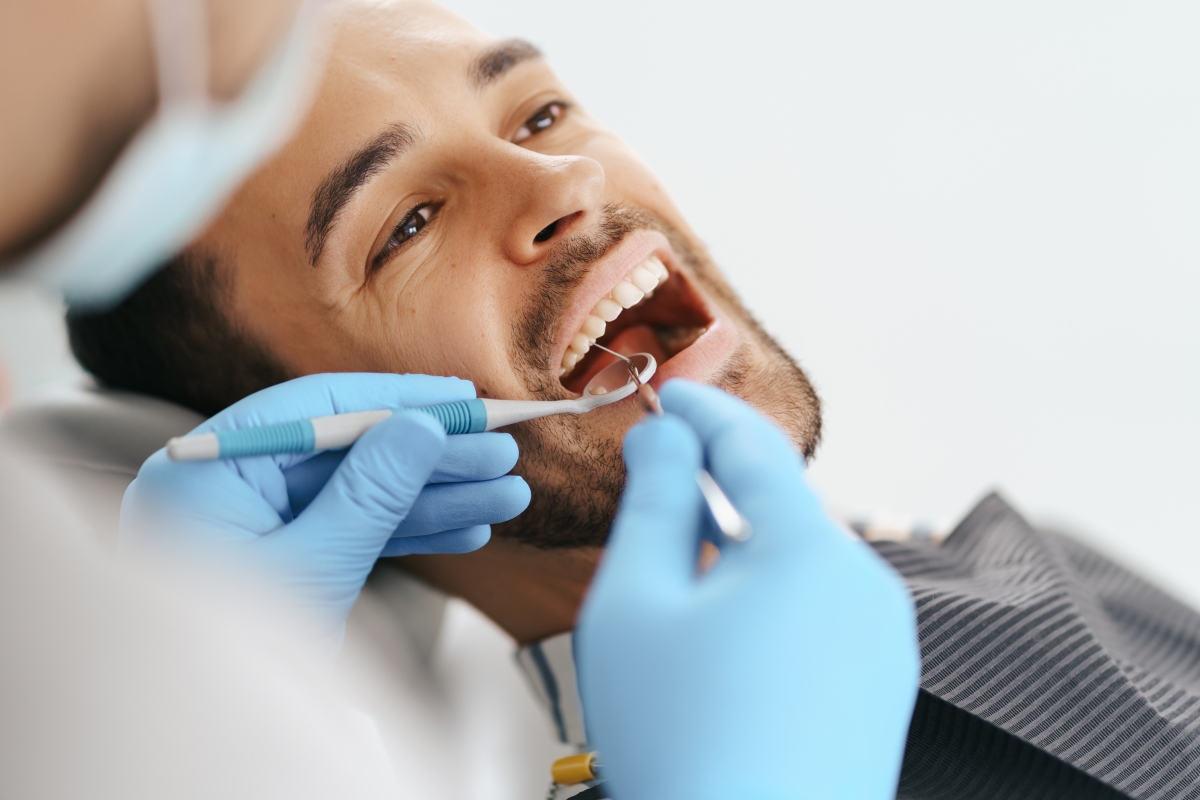
Dental pain often starts quietly before it becomes an alarming problem. A dental fistula looks like a small pimple on the gums and is a sign of deep infection. The bump does not necessarily hurt, yet it shows there is an underlying crisis. If neglected, one may develop swelling and fever, or even lose a tooth. Without immediate professional intervention, the condition worsens.
A prompt visit to an emergency dentist prevents serious complications and can save the affected tooth. Here’s how to catch early warning signs and safeguard your oral health before an actual emergency develops.
What is a dental fistula?
A dental fistula forms in instances when infection creates a small drainage canal in the gum. The accumulated pus pushes through the tissue, forming a small hole or blister-like spot. It appears near the gum line, under the tongue, or near a damaged tooth. This usually causes a small bump that may discharge foul-tasting fluid from time to time.
The presence of a dental fistula signals an infection requiring urgent care from an emergency dentist. It is never just a surface issue. Without treatment, the infection spreads deeper into tissues and bones. Therefore, prompt attention is important for complete healing and protection of surrounding teeth.
Early Signs You Shouldn’t Ignore
A Pimple on the Gums or Jawline
A small swelling begins to develop around the tooth and, at times, bursts and releases some pus. Often, this pimple drains fluid when pressure builds. This indicates infection and requires immediate attention from an emergency dentist before it spreads further.
Persistent Bad Taste or Odor
A constant foul taste would suggest a bacterial buildup from infection drainage. Disregarding it could mean allowing bacterial spread to nearby tissues. Have it checked out immediately to prevent further damage.
Mild, but Persistent Swelling or Tenderness
Intermittent swelling or gum tenderness may precede serious abscess formation. An emergency dentist in Rocky Point can identify and stop the source of such a problem. In this case, early evaluation will prevent an advanced infection or systemic effects.
With a simple dental exam, one could avoid severe pain and prevent further damage.
What Causes a Dental Fistula to Form?
Infection inside a tooth is usually caused by an untreated cavity, a failed root canal, or any kind of gum infection. Bacteria invaded the pulp, and pus developed, looking for a way out. The drainage created a fistula through the gum surface. Inadequate brushing and missed checkups let infection thrive unnoticed.
An early visit to an emergency dentist usually catches the infection early and restores oral balance. Delaying treatment risks letting bacteria break through into the bone and teeth surrounding a diseased tooth. Early action saves both your tooth and comfort.
How Dentists Diagnose a Dental Fistula
The work of an emergency dentist in Rocky Point begins with the thorough examination of the patient’s mouth to find the source of the infection. X-rays or CBCT scans can disclose abscesses or bone involvement, showing the route of infection within the gums and roots. It helps to establish the point of origin for more specific treatment. That visible bump in itself is not the problem; it is what lies underneath, the infection.
Temporary pain relief, without diagnosis, would not last very long. Diagnosis at the earliest prevents further damage and maintains good health. Proper diagnosis ensures lasting healing rather than surface improvement.
Treatment Alternatives to Halt the Infection Right at Its Source
Root Canal Therapy
An emergency dentist cleanses the canals, removes the infected pulp from a tooth, and seals it. This removes bacteria and stops recurring infection.
Tooth Extraction: When Needed
If the decay destroys structure beyond repair, then removal is a must. Extraction prevents the spread of infection to the adjacent teeth.
Antibiotic Therapy
It assists in healing but never replaces professional dental treatment. Antibiotics only temporarily control superficial bacteria.
After being treated accordingly, the fistula heals completely. Regular check-ups with your emergency dentist prevent future flare-ups.
How to Avoid Future Fistulas
Good oral hygiene keeps the bad bacteria at bay. Brush your teeth at least twice a day, floss gently, and rinse regularly. Regular visits to an emergency dentist for preventive cleanings and check-ups help.
Small cavities or gum inflammations, if caught early, save you from bigger problems later on. Report any unusual bumps, drainage, or pain in your gums as soon as possible. Healthy habit formation and early detection are ways to ensure that your mouth will not be a host to any infection. A clean routine builds lasting oral strength and confidence.
A dental fistula is not harmless. It’s your body’s red flag to deeper infection. Ignoring it might lead to severe swelling, bone loss, or even tooth loss. Receive immediate care from an emergency dentist to ensure a full recovery and one that’s comfortable.
Don’t wait until the pain is unbearable. If you notice a bump or draining sore in your gums, seek help as soon as possible. Early treatment will protect your smile and avert a true dental emergency from taking over your health.